The Best Australian Sales Training Providers according to Google

Google, Google on the wall, who is the best Sales and Leadership Trainer of them ALL?

A great deal of research is conducted into many industries, but the Sales Training industry seems to be left to its own devices.

Unless the “unsuspecting” business leaders do the research that I have done below, they are potentially hiring people with no background or track record. Also, there are no governing bodies to help them.

Many so called “sales trainers” are people who couldn’t cut it and then decided to set up a “training” business. Most only last a few months, but long enough to do real damage to an important industry.

Determining the best sales and leadership training company can depend on your company's needs.

Determining the “best” sales and leadership training companies can be subjective and may depend on specific needs, preferences, and the industry you’re in. However, I can provide you with a list of 14 reputable companies in Australia along with some reasons why they are well-regarded:

KONA has a 5 star google rating with 25 reviews.

1. The KONA Group Australia – 5 Star Google rating with 26 reviews

kona.com.au

The KONA Group is Australian owned and is known for its 20+ years heritage of providing highly tailored Sales, Leadership, Negotiation, and growth effectiveness methodologies with real life experiences with fortune 500 companies.

2. SWISH Sales Coaching Sydney– 5 Star Google rating with 16 reviews

www.swishsalescoaching.com

SWISH sales coaching in Sydney claims to teach you the secrets to sales success using the techniques and strategies employed by the world’s top 1% of salespeople.

3. FranklinCovey Australia – 5 Star Google rating with 6 reviews

www.franklincovey.com.au

FranklinCovey is known for its time-tested leadership and personal effectiveness methodologies, such as the 7 Habits of Highly Effective People.

4. PD Training Australia – 5 Star Google rating with 4 reviews

pdtraining.com.au

Their purpose is to help your organisation provide training and development to its people that is on target, fun, retained and above all helps them achieve their goals.

5. Healthy Business Builder – 5 Star Google rating with 2 reviews

www.healthybusinessbuilder.com.au

Build a reputation on experience in business giving customers access to proven marketing and sales strategies that will grow a healthy business.
The main objective is to help/guide business owners to stay focused and remain on target, build networking and business skills, manage time more effectively, reduce stress and increase profit. Mandate is to give your company more direction in setting strategic goals.

6. SalesStar Australia – 5 Star Google rating with 1 review  

www.salesstar.com

SalesStar specialises in sales training and coaching, offering programs that aim to boost sales performance and revenue.

7. Institute of Managers and Leaders (IML) – 5 Star Google rating with 1 review

managersandleaders.com.au

IML offers leadership development programs and resources and is known for its commitment to promoting ethical leadership.

8. Dale Carnegie Australia – No Google reviews to refer to.

www.dalecarnegietraining.com.au

Dale Carnegie has a long history of providing leadership and sales training, with a focus on interpersonal skills, communication, and self-confidence.

9. Leadership Management Australia (LMA) – No Google reviews to refer to.

www.lma.biz

LMA offers a comprehensive range of leadership and management programs designed to develop practical skills and drive organisational success.

10. AIM (Australian Institute of Management) – No Google reviews to refer to.

www.aim.com.au

AIM is a well-respected institution that provides a wide range of management and leadership courses, along with networking opportunities.

11. Sales Ethos – No Google reviews to refer to.

www.salesethos.com.au

Sales Ethos focuses on sales training and consultative selling techniques to help businesses improve their sales processes and results.

12. RedSeed – No Google reviews to refer to.

www.redseed.com

RedSeed specialises in retail sales training, with a focus on e-learning solutions and improving customer service skills.

13. The Sales Edge – No Google reviews to refer to.

https://the-salesedge.com

The Sales Edge provides practical sales training programs that help sales professionals close deals and build long-term customer relationships.

14. ProSales Connection – No Google reviews to refer to.

www.prosalesconnection.com

ProSales Connection offers a range of sales training and consulting services, with a focus on lead generation and pipeline management.

The reasons why these companies are considered among the top sales training companies include:

  • Their track record of success
  • The quality of their training materials and methodologies
  • Experienced trainers
  • Their ability to tailor programs to meet the specific needs of their clients

Additionally, client reviews and testimonials play a significant role in determining their reputation in the industry.

Google reviews can help you to choose a training provider.

How do you choose a supplier?

To find the best fit for your organisation’s training or professional development needs, it’s important to conduct thorough research, consider your specific goals, and possibly consult with representatives from these companies to discuss your requirements in more detail.

Choosing the best sales training and leadership company is crucial for the success of your sales team and your business. Here are some steps to help you select the right sales training provider:

Identify Your Needs:

Before you start searching for a sales training company, assess your specific needs and goals. Determine what areas of sales you want to improve, such as:

  • Prospecting
  • Closing deals
  • Objection handling
  • Customer relationship management

Define Your Budget:

Determine how much you can allocate to sales training. Consider both the direct costs of training and the potential returns on investment (ROI) from improved sales performance.

Research Potential Providers:

Start by researching potential sales training providers online. Look for companies or individuals with a strong reputation in the industry.

Check Credentials and Experience:

Evaluate the credentials and experience of the trainers. Look for trainers who have a track record of success in sales or extensive experience in sales training.

Some testimonials about Training from the KONA Group.

Read Reviews and Testimonials:

Look for reviews and testimonials from previous clients. This can provide insights into the effectiveness and quality of the training programs.

Request References:

Ask the sales training company for references from past clients. Contact these references to get feedback on their experiences and results achieved through the training.

Assess Training Content:

Review the content of the training programs offered. Ensure that the training materials align with your specific needs and goals. Look for a comprehensive curriculum that covers all relevant aspects of sales and leadership.

Delivery Methods:

Consider the delivery methods used by the provider. Some training programs are delivered in-person, while others are offered online or through a blended approach. Choose the format that suits your team’s preferences and logistics.

Customisation Options:

Determine whether the training can be customised to address your unique challenges and industry-specific requirements. Customisation can make the training more effective.

Evaluate Support and Resources:

Inquire about the post-training support and resources offered by the provider. Will they provide ongoing coaching, access to materials, or additional resources to reinforce the training?

ROI Measurement:

Ask the provider how they measure the ROI of their training programs. A reputable provider should be able to provide a clear framework for tracking and evaluating the impact of the training on your sales team’s performance.

Conduct Interviews:

If possible, conduct interviews with the trainers or representatives of the potential training provider. This will give you a chance to ask specific questions and assess their expertise and communication style.

Compare the costs of different training providers.

Compare Costs:

Compare the costs of different training providers while considering the value and quality they offer.

Don’t simply choose the cheapest option, as quality and results should be the primary considerations.

Seek Feedback from Your Sales Team:

Involve your sales team in the decision-making process.

Get their input on the potential training providers and programs to ensure that they are comfortable with the choice.

Make a Decision:

Based on your research, evaluations, and budget considerations, make an informed decision on the sales training provider that best fits your needs.

Remember that the success of your sales training program depends on the quality of the provider and the commitment of your sales team to actively participate and apply what they’ve learned. Keep communication open and continually assess the effectiveness of the training to make necessary adjustments.

Things to be aware of when choosing a supplier:

The effectiveness of sales training providers can vary widely, and what is considered the “best” provider may vary depending on your specific needs and goals. However, here are some general pros and cons to consider when evaluating different sales training providers:

Be aware of pros and cons when choosing a sales training provider.

Pros:

Improved Sales Performance: Effective sales training can lead to improved sales skills, better closing rates, and increased revenue for your organisation.

Customisation: Many top sales training providers offer customised programs to meet your specific industry, company, and sales team needs.

Experienced Instructors: The best providers often employ experienced sales professionals and trainers who can offer valuable real-world insights.

Comprehensive Curriculum: Leading sales training providers typically offer a wide range of training topics, from basic sales techniques to advanced strategies.

Measurable Results: They often provide tools and metrics to track the effectiveness of the training, allowing you to measure the ROI.

Networking Opportunities: Some providers offer opportunities for sales professionals to network with peers and industry experts.

Continuous Learning: Many top providers offer ongoing training and support to ensure that sales teams continue to improve over time.

Cons:

Cost: High-quality sales training can be expensive, especially if you opt for customised programs or top-tier providers.

Time-Consuming: Sales training often takes time away from selling activities, which can impact short-term results.

One-Size-Fits-All: Some providers may have a rigid curriculum that doesn’t fully align with your unique sales challenges.

Resistance to Change: Sales teams may resist new training methods or approaches, leading to slow adoption and implementation.

Lack of Follow-Up: Even with excellent training, if there’s no ongoing support or reinforcement, the initial benefits may diminish over time.

Limited Industry Knowledge: Some providers may not have expertise in your specific industry, which can limit the relevance of their training.

Overpromising: Be cautious of providers who promise miraculous results or quick fixes, as sales improvement often requires ongoing effort and practice.

When you are looking for the best sales and leadership training provider, it’s essential to consider your organisation’s unique needs, budget, and long-term goals. Research, reviews, and referrals from other businesses in your industry can help you identify the best fit for your sales team. Additionally, make sure to assess the potential provider’s track record and success stories to ensure they can deliver on their promises.

Contact KONA today to discuss what we can do for your business. Call 1300 611 288 or

Email info@kona.com.au


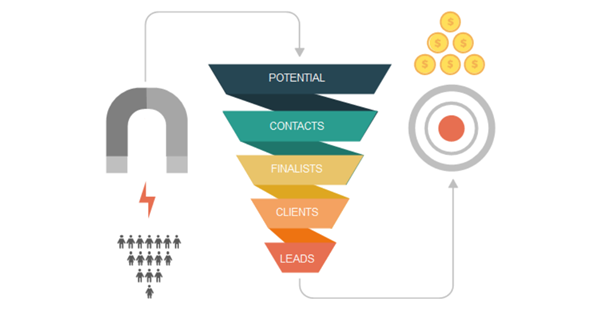
Sales Pipeline Funnel

The Importance of Sales Pipeline Management

A sales pipeline allows you to track the sales process more effectively, but it also helps you plan and evaluate activities at each stage.

Sales pipeline management can provide insight into the sales process to examine what’s working and what needs attention.

Every part of the sales pipeline should be tracked and measured. Sales pipeline training is a crucial component of sales development and can offer several benefits to both individual sales representatives and organisations as a whole.

As a sales leader, pipeline management will give you an understanding into how well your marketing is working and where prospects are not converting.  It will also help you evaluate performance by members of your sales team.

By tracking each stage, you can evaluate the impact of your marketing.  If your inbound marketing efforts are failing to convert sales from qualified leads, it may indicate you need to change strategies or train your team on how to close.  If your salespeople aren’t converting sales qualified leads at the rate you need, they may need additional support.

Pipeline management will give you insight into how well your marketing is working and where prospects are not converting.  It will help you evaluate performance of your sales team.

What should an Effective Sales Pipeline do?

  • Identify and target weak points in each stage of your pipeline
  • Pinpoint areas where additional coaching or sales training can help
  • Understand and analyse why some deals didn’t close
  • Prepare for potential sales growth or downturns

Do you want:

  • Improved Sales Performance?
  • More consistency with sales numbers?

KONA’s Pipeline Management Training is the answer you are looking for. Let us tell you why.

 Enhances Your Sales Skills

The KONA Pipeline training programs will cover a wide range of sales skills, including:

  • Prospecting
  • Qualifying leads
  • Objection handling
  • Negotiation
  • Closing techniques

Salespeople can sharpen their skills and adapt to changing market conditions.

 Better Forecasting

With a well-trained sales team, organisations can more accurately forecast future sales revenue.

This helps in budgeting, resource allocation, and overall business planning.

Reduces Sales Cycle Length

KONA Sales training will teach techniques for moving deals through the pipeline more efficiently, potentially reducing the length of the sales cycle. This means faster revenue generation.

Customer Relationship Building

KONA’s Sales pipeline training emphasises the importance of building strong customer relationships. This will lead to higher customer satisfaction, repeat business, and referrals.

A sales pipeline will improve sales performance and provide more consistency with sales numbers.

Boosts Confidence

KONA Pipeline training will boost the confidence of your salespeople, which will have a positive impact on their interactions with customers. Confident sales reps are more likely to close deals successfully.

Give your Team a Competitive Advantage

Well-trained sales teams will gain a competitive edge in the marketplace. They are better equipped to:

  • Understand customer needs
  • Position their products or services effectively
  • Outperform competitors

 Reduce Turnover

Investing in the development of your sales team will boost morale and job satisfaction, potentially reducing turnover.

A stable sales team leads to more consistent sales results.

KONA’s sales pipeline training is a valuable investment for both sales professionals and your business.

It will lead to improved sales performance, increased revenue, and a more competitive position in the market.

Get help managing your Pipeline

KONA’s Pipeline Management Training: If you want to give your sales team a competitive advantage and teach them how to effectively manage their pipelines, you can find out more about working with us here.

KONA’s Services: If you’re a business leader and you would like to know more about the services that the KONA Group can offer your business, click here.

Meet our team: We have many consultants in the KONA Group, all experts in their field. Click here to meet our team.

Call KONA on 1300 611 288 or Email info@kona.com.au


What are the traits of a Successful Salesperson?

Many salespeople make the mistake of thinking that success is a matter of luck.

Success in sales is about possessing a unique set of qualities that enable a salesperson to connect with customers, understand their needs, and close deals.

Are you an aspiring salesperson looking to improve your skills? Or maybe you’re a sales manager and want to refine your sales team. Here are ten essential traits the best Sales Trainers can help you to cultivate.

10 Traits of a Successful Salesperson

1. Exceptional Communication Skills

Effective communication is the foundation of successful sales.

A great salesperson can:

  • Articulate their ideas clearly
  • Actively listen to customers
  • Tailor their message to resonate with individual needs

They ask insightful questions and, most importantly, truly understand the power of the spoken and unspoken word.

2. Empathy

Empathy allows a salesperson to connect with customers on a deeper level.

The most successful salespeople will always be empathetic.

By understanding and sharing in the customer’s feelings, they can address concerns and offer solutions that genuinely resonate.

Empathetic salespeople build trust, which is fundamental in closing deals.

3. Resilience

Sales can be a rollercoaster ride of highs and lows. Rejection is an inevitable part of the job. A successful salesperson remains undeterred by setbacks and uses them as learning opportunities, emerging stronger and more determined with each challenge.

4. Positive Attitude

A positive outlook is contagious and can influence the entire sales process.

A good sales trainer knows that a salesperson who radiates optimism can create a more pleasant and productive atmosphere, making it easier to build rapport with customers and colleagues.

5. Adaptability

The world of sales is constantly changing.

A successful salesperson can pivot quickly to adapt to:

  • New technologies
  • Trends
  • Customer preferences  

They are open to change and view it as an opportunity for growth.

6. Strong Work Ethic

Success in sales often comes down to hard work and persistence. Top salespeople are known for their unwavering commitment to their craft.

They set clear goals, manage their time efficiently, and put in the effort needed to meet or exceed targets.

Top salespeople are known for the strong work ethic.

7. Product Knowledge

To be able to sell, you need to know your product or service inside and out.

Successful salespeople invest time in learning about their offerings, ensuring they can:

  • Confidently address customer questions
  • Demonstrate value

8. Problem-Solving Skills

Sales rarely go off without a hitch.

Successful salespeople are skilled problem solvers, capable of quickly identifying and addressing issues that arise during the sales process.

Their solutions are customer-focused and geared toward delivering the best possible outcome.

9. Respect for Integrity

Trust is the cornerstone of a successful sales relationship. Ethical salespeople prioritise honesty and integrity above all else.

They don’t make empty promises or engage in manipulative tactics to close deals, as they understand that a tarnished reputation is almost impossible to rebuild.

10. Continuous Learning

The best salespeople never stop learning. They are always:

  • Seeking out new information
  • Staying up to date on industry trends
  • Actively participating in training and development opportunities

Having a commitment to personal and professional growth ensures they remain at the forefront of their field.

Garret Norris delivering a training workshop to salespeople.

Success in sales is the result of a combination of these essential traits.

While not every salesperson is born with all these qualities, they can be developed and honed over time with dedication and effort.

Whether you’re an aspiring salesperson or managing a sales team, recognising and nurturing these traits is key to achieving lasting success in the world of sales.

With these traits as your foundation, you’ll be well on your way to becoming a highly effective salesperson.

Enhance the skills of your sales team today, to make them into the most successful salespeople they can be. Speak with a KONA Sales Trainer about the goals you have for your sales team.

Call 1300 611 288, or email
info@kona.com.au


What can a Power Hour do for your Sales Team?

The KONA Sales “Power Hour” is a focused and intensive period of time, during which your sales teams dedicate themselves to “hitting the phones” and put into action what they have learnt on the workshop. This WILL boost sales performance and drive better results.  

  • Do you want to Increase your Pipeline
  • Do you want to Increase your sales productivity? 
  • Do you want your team to have better than average sales skills? 
  • Do you want your team to manage their time better? 
  • Do you want them to be Accountable? 

A sales power hour is an effective strategy for increasing productivity, boosting sales performance, and achieving better results. During a Power Hour, your Sales Trainer will encourage focused efforts, skill development, and team collaboration, ultimately contributing to the overall success of a sales organisation. 

Some of our results across many customers:

  • Achieved $1.2M of extra sales
  • Increased overall activity by 150%
  • Increased outbound quotes by 88%
  • Increased sales by 66%
  • 140% of sales target (and growing)
  • 19% up on last financial year, Includes 3 record months
  • Increased International Business by 7%
  • Increased Domestic Business by 16%

Are your salespeople hesitant to make calls? Maybe they aren’t engaging with enough customers, prospects or decisions-makers? We can help you to turn that around.

In Sales, every minute counts, and every opportunity matters. This is where the “Power Hour” comes into play.

KONA’s Power Hour is a dedicated, highly focused period of time during which your sales team concentrates on their most important task.

What can a Power Hour can do for your Sales Team?

Enhance Focus and Productivity

The Power Hour is all about intense focus.

During this dedicated time, your sales team can eliminate distractions and concentrate on their high-priority tasks. This heightened level of concentration leads to increased productivity and the ability to accomplish more in a shorter amount of time.

With reduced interruptions, Sales Trainers can encourage team members to make more sales calls, send more emails, and engage with potential customers more effectively.

Garret Norris, KONA Group CEO during a workshop.
Garret Norris – CEO of the KONA Group during a Training Workshop

Improve Time Management

One of the biggest challenges a salesperson faces is managing their time effectively.

The Power Hour helps by encouraging your team to plan and prioritise.

By setting specific goals for each Power Hour session, your team can make better use of their time and ensure they are working on generating revenue.

Consistent Prospecting

Prospecting is a major part of the sales process, but it often gets pushed aside in favour of other tasks.

KONA’s Power Hour Program can help your team to designate a specific time each day for prospecting activities.

This consistency ensures that your sales team is continuously building their pipeline, which is crucial for long-term success.

Increased Sales Calls

Did you know that more than 50% of decision-makers prefer to be contacted over the phone than any other means of communication?

Sales calls are the centre of many sales teams. During the Power Hour, the Sales Trainer will encourage your team to make a higher number of quality sales calls within a set timeframe. This not only leads to more potential leads and conversions but also boosts the confidence and skill set of your salespeople.

Call Centre power hour.

Healthy Competition

Implementing Power Hours can encourage healthy competition among your sales team members.

When team members see their colleagues making impressive progress during these dedicated sessions, it motivates them to step up their game.

Encouraging friendly competition and recognising top performers during a power hour can help to keep momentum.

Real-time Feedback and Coaching

During KONA’s Power Hours, Managers can provide real-time feedback and coaching to their team members.

Managers can:

  • Listen in on calls
  • Review emails
  • Offer guidance on how to improve sales techniques

This immediate feedback loop can lead to rapid skill development and improved performance.

Better Work-Life Balance

A well-structured Power Hour schedule allows your sales team to maintain a healthier work-life balance.

Set clear boundaries for when intense sales activities take place. This way, team members can better allocate their time for personal life, reducing burnout and stress.

Introducing Power Hours to your sales team’s routine comes with significant benefits.

Power hours are known to encourage a competitive spirit and provide opportunities for real-time feedback and coaching.

As your team becomes more skilled and efficient, you’ll likely see a boost in sales performance, ultimately leading to increased revenue and success for your business. Empower your sales team with the transformative power of the Power Hour.

So what are you waiting for? Book in your team’s Power Hour today!

Call KONA on 1300 611 288 or Email us at info@kona.com.au


Why is my Sales Team ‘Busy’ but not Producing results?

It’s easy for salespeople to get caught up in the daily whirlwind of activities and tasks.

They might appear busy, but the critical question for sales managers and leaders is whether their sales team is truly focusing on what is important. As a sales manager, your job is to ensure targets are being hit. When they aren’t, it can be one of your hardest tasks to find out why.  

So, what does it mean to be “busy” in sales, and what are some strategies for ensuring your salespeople prioritise what truly matters?

Garret Norris and John Wright of the KONA Group, Delivering a Sales Training Workshop

The Perils of being Busy

Busyness can be deceptive. Salespeople can spend hours each day on various tasks, e.g.

  • Answering emails
  • Attending meetings
  • Completing administrative work

Yet fail to make significant progress towards their sales goals.

This phenomenon, often referred to as the “activity trap,” can cause a decrease in productivity, frustration, and missed sales opportunities, the list goes on.

Why do salespeople fall into the busyness trap?

Lack of Priorities

Without clear priorities, salespeople will tend to focus on low-impact tasks while neglecting high-impact activities like:

  • Prospecting
  • Following up on leads
  • Closing deals

Overemphasis on Routine Tasks

Mundane and routine tasks can consume a significant portion of a salesperson’s day, leaving them with little time and energy for strategic activities.

Distractions

Constant interruptions, including unnecessary meetings and non-essential emails, can divert salespeople’s attention from what truly matters. Studies have shown that an average of around 84% of people get distracted at work, and the most common distractions include:

  • Emails
  • Phone calls/texts
  • Co-workers
  • The Internet

Ineffective Time Management

Poor time management skills can result in wasted hours and a sense of busyness without accomplishment.

Did you know that 63% of sales reps don't ask for the sale at the end of a sales conversation?

Focusing on What’s Important

To be successful in sales, you need to shift the focus from busyness to activities that drive results. Here are some key areas to concentrate on:

Prospecting: Identifying and reaching out to potential customers is at the core of sales.

Ensure that your sales team allocates sufficient time for prospecting activities, such as:

  • Researching leads
  • Making initial contact

Building Relationships: Building strong relationships with prospects and clients can lead to repeat business and referrals.

Encourage your salespeople to invest time in nurturing these relationships.

Effective Communication: Train your team to communicate effectively, whether it’s through phone calls, emails, or face-to-face meetings.

Clear communication can make all the difference in closing deals.

A quote on effective communication from Garret Norris, CEO of the KONA Group.

Product Knowledge: Statistics have shown that salespeople who have specific product education can sell up to 123% more than those without.

Salespeople should have an in-depth understanding of your products or services. A well-informed salesperson will undoubtably be able to address customer questions and objections more effectively.

Time Management: Teach your team time management skills to help them to:

  • Prioritise tasks
  • Allocate time to high-impact activities

Strategies for Ensuring Focus is on What’s Important

Now that we’ve established the significance of focusing on what’s important in sales, let’s explore strategies to help your salespeople avoid the busyness trap:

Set Clear Goals: Use S.M.A.R.T Goal setting – specific, measurable, achievable, realistic and timely sales goals.

This helps salespeople understand what they should or shouldn’t prioritise.

Invest in Training and Development: Invest in ongoing training to improve your team’s:

  • Sales skills
  • Product knowledge
  • Time management skills

A well-trained sales team is more likely to focus on what matters.

Use Technology: Implementing sales tools and technology that automates routine tasks, allows your team to spend more time on high-value activities.

Regularly Review Processes: Continuously assess your sales processes to identify bottlenecks and areas for improvement.

Streamlining processes can free up time for essential tasks.

Monitor Progress:

  • Keep track of your team’s performance through regular reporting and meetings
  • Provide feedback and coaching to ensure alignment with strategic goals

Being “busy” in sales doesn’t always equate to being productive or producing results.

Salespeople need guidance and support to prioritise what really matters.

You can help your sales team focus on what’s important and drive success in your organisation. Just remember that it’s not about how busy they appear, but about the value they bring to the table and the impact they make on your bottom line.

Contact KONA to discuss how our tailored Sales Training Programs can have a positive impact on your sales team.

Call 1300 611 288 or Email info@kona.com.au


Does your Sales Team need Sales Coaching?

Sales coaching is when an experienced Sales Trainer provides guidance and support to sales professionals to help them improve their sales performance and reach their full potential.

It’s a personalised and ongoing process aimed at enhancing sales skills, addressing specific challenges, and achieving personal and team goals.

A well-trained and motivated sales team can make all the difference between success and mediocrity.

One effective way to enhance your sales team’s performance is to engage with the best sales trainers for sales coaching. We’ll explore the significance of sales coaching and how to determine if your sales team could benefit from it.

The Importance of Sales Coaching

Sales coaching is a structured process aimed at improving the overall performance of your sales team. It involves providing guidance, feedback, and support to help sales professionals reach their full potential. Here are some key reasons why at KONA, we believe sales coaching is important:

Skill Development

An effective sales trainer will help to coach your team to acquire and refine essential selling skills, such as:

  • Effective communication
  • Objection handling
  • Negotiation
Garret Norris, CEO of the KONA Group delivering a training workshop.

Performance Improvement

Regular coaching sessions can identify areas where your salespeople are struggling and provide targeted solutions to improve their performance.

Motivation and Engagement

Sales coaching boosts team morale and motivation by showing that the business invests in their growth and success.

The sales work is constantly adapting and changing. We also need to adapt to keep up with trends.

Adaptation to Change

The sales world is constantly evolving. Coaching helps salespeople adapt to:

  • New technologies
  • Market trends
  • Changing customer expectations

Consistency

Coaching ensures that all team members adhere to best practices and maintain a consistent approach to selling.

Signs Your Sales Team Needs Coaching

Now that we know the importance of sales coaching, what are some signs that indicate your sales team may benefit from coaching?

Declining Sales Performance

Have your team’s sales numbers been consistently falling? Is your team failing to meet targets? These are a clear indicator that coaching is needed.

High Turnover Rate

Having a high turnover within your sales team could suggest that they are not receiving the support and development opportunities they need to succeed.

Inconsistent Performance

Do some of your team members consistently outperform others?

Coaching can help bridge the performance gap and bring everyone up to a higher standard.

Resistance to Change

Salespeople who resist adopting new strategies, tools, or technology may require coaching to help them embrace change and stay competitive.

Lack of Confidence

If members of your team lack confidence in their abilities, it can significantly impact their sales results.

Coaching can boost their self-assurance.

The expected outcomes of Sales Coaching.

Difficulty Handling Objections

An inability to effectively handle objections from potential customers can hinder the sales process. Coaching will equip your team with better objection-handling skills.

Ineffective Communication

Poor communication skills can result in misunderstandings and missed opportunities. Coaching can enhance your team’s ability to communicate persuasively and empathetically.

Missed Sales Opportunities

If your team frequently loses deals they should have won, it may indicate the need for coaching to improve their closing techniques.

Implementing Sales Coaching

Once you’ve identified that your sales team needs coaching, it’s crucial to implement a structured coaching program

Assessment: Begin by assessing the strengths and weaknesses of each team member to tailor coaching sessions to their specific needs.

Set Clear Objectives: Define clear coaching objectives and goals to track progress effectively.

Provide Training: Invest in coaching training for managers or bring in external coaches with expertise in sales. All of KONA’s sales trainers have run businesses, led teams, built pipelines and managed accounts. We know that without sales, there is no business.

Regular Feedback: Conducting regular coaching sessions and providing constructive feedback will help your team improve continuously.

It's important to measure the results of sales coaching on your sales team.

Measure Results: Track the impact of coaching on sales performance and adjust the coaching program as needed.

Sales coaching is a powerful tool to enhance your sales team’s skills, motivation, and performance.

The first step is recognising the signs that your team may need coaching, the next step is to engage with a Sales Trainer to implement a structured Sales Coaching program.

Empower your salespeople to achieve their full potential and drive your

business to greater success.

Call 1300 611 288 or Email info@kona.com.au


How can I promote Teamwork among Employees?

I was delivering a team building workshop not so long ago to a group of leaders and we got into a little bit of a debate.

I was encouraging them to lead by example and create a team environment by encouraging and including ideas and input. During the debate one of the delegates said, “Oh for goodness’ sake, this is all about the Gen X and their entitlement, they honestly think we live in a democracy!”, I replied with “No, I believe that we must encourage an environment where we promote to old, there is no “I” in team”. The delegate said that they tried saying this but were met with “Ah yes… but there is an M and E in team…”

So, how can we promote Teamwork among Employees?… Well, consistency is one way, and we also need to make sure that we are not just talking the talk but… Well, you know the rest of this saying…

Tips to promote Teamwork among Employees

Teamwork is a critical element of a successful and productive workplace. When employees work together, it creates a positive work environment where more can be achieved.

The following suggestions are posed under the assumption that you already have the right people in each position on your team. The foundation of teamwork depends on hiring the right people and effective leadership. When teams work well together, an efficient workplace culture with problem solving abilities, inspiration and support is achieved. Being in an environment that works toward shared goals will empower employees and create a sense of belonging.

As a manager, it’s your responsibility to encourage teamwork among your employees. You will need to provide your team with the tools and guidance they need to reach their full potential. Here are 20 effective ways managers can promote teamwork in their teams.

Lead by Example

Set the tone for teamwork by demonstrating the behaviour and positive attitude towards working with others that you want to see from your team.

Your team pay a lot of attention to what you say and do. If you say one thing but do another, it can lead your team to feelings of frustration and mistrust.

Outline Roles and Responsibilities

It’s more common than you would think for a team member to be unclear on their role and responsibilities.

Every team member should have a comprehensive understanding of their role and what is expected of them within the team to minimise confusion and overlap.

Encourage Open Communication

Create an environment where employees feel comfortable sharing:

  • Ideas
  • Concerns
  • Feedback with their teammates

Foster Trust

It’s so important to build trust among team members in order to promote teamwork.

Encourage honesty and reliability to establish a strong foundation.

Teamwork leads to a successful and productive workplace. Working together creates a positive environment where more can be achieved.

Establish Common Goals

Align your team around shared objectives, making it easier for everyone to work together towards a common purpose.

Common team goals provide structure that allows you to measure progress of individuals and the group as a whole. 

Training and Development

Staff Retention rates rise by 30-50% in companies with strong learning cultures.

Improve your employees’ skills and knowledge by investing in their professional development. Staff who do not receive training typically produce less work and at a lower quality.

Celebrate Achievements

Acknowledge and reward both individual and team achievements to boost morale and motivation.

Celebrating success reinforces the motivation that will bring us to the next achievement.

Clear Expectations

Ensure everyone knows what is expected of them and the team.

This includes:

  • Deadlines
  • Performance metrics
  • Accountability
  • Flexibility

Inclusivity

Encourage diversity and inclusion, valuing the unique perspectives and contributions of each team member.

Inclusion in the workplace creates a sense of belonging that can lead to greater productivity and teamwork.

Team-Building Activities

Organise team-building exercises, workshops, or outings to help team members bond and build trust.

Studies have shown that employee satisfaction can increase by up to 50% when surrounded by people they are friendly with.

Provide Necessary Tools and Resources

Ensure your team has access to:

  • Technology
  • Resources
  • Information they need to collaborate effectively.

Offer Flexibility

Allowing some flexibility in work arrangements, when possible, to accommodate personal needs can improve employee satisfaction.

When employees are satisfied with their working arrangements, they are more likely to be productive and engaged, ultimately leading to team-cohesion.

Empower Decision-Making

Encourage team members to participate in decision-making processes, fostering a sense of ownership and responsibility.

Address conflicts and issues within the team as soon as they arise to prevent them from escalating.

Resolve Conflicts Promptly

Addressing conflicts and issues within the team as soon as they arise prevents them from escalating.

A good tip is to ensure your business has a clear grievance-resolution process in place. This can help to avoid conflict in the workplace and prevent any existing conflict among team members from escalating.

Encourage Knowledge Sharing

Create a culture of sharing knowledge and best practices among team members.

Knowledge sharing in the workplace promotes new ideas and innovation.

Regularly Assess Team Performance

Conduct regular performance reviews and team evaluations to identify areas for improvement.

Evaluating team performance allows you to avoid conflicts and misunderstandings, while also identifying areas for improvement, acknowledging achievements, and encouraging learning.

Provide Feedback

Offering constructive feedback can help employees understand how they can contribute more effectively to the team.

Cross-Functional Collaboration

Encourage employees to work with colleagues from other departments to broaden their perspectives and skills. By bringing together various perspectives and knowledge from different departments, businesses can support a more collaborative environment.

As a manager, you should watch for signs of burnout and support team members who may be overwhelmed.

Recognise and Address Burnout

Recent reports have found that 52% of all workers are feeling burned out. This is a 9% increase from pre-COVID.

Watch for signs of burnout and provide support to team members who may be overwhelmed.

Some of the signs of employee burnout include:

  • Emotional, mental, and physical exhaustion
  • Disengagement
  • Increased absenteeism
  • Higher sensitivity to feedback
  • Decreased productivity

Adapt and Evolve

An effective leader is flexible in their approach. They will adapt to changing circumstances and continuously seek ways to improve and promote teamwork.

The more you adapt and evolve, the more relevant you will be in your industry.

Adaptability allows you to overcome obstacles.  

Having a team that works effectively together is no easy task. It is an ongoing effort that requires commitment and dedication from business leaders.

Remember, “Hope is not a strategy”. By having a plan, you can create a productive work environment where your team can thrive, achieve their goals, and contribute to the overall success of the business.

Teamwork is not just a “buzzword”, but a vital element of a successful and harmonious workplace.

Contact KONA to discuss how our tailored training programs can add value to

your business.


Call 1300 611 288 or Email
info@kona.com.au


What is Disruptive Leadership?

Garret Norris – KONA Group CEO

Although at face value the term may give the wrong impression, a Disruptive Leader is in fact someone that drives innovation and welcomes change. Just like everything in our world today, leadership should be an everchanging process.

Disruption in the workplace is no longer considered ‘negative’. In fact, quite the contrary. Disruptive leadership is vital for progression and success in business.

As a disruptive leader you need to be able to balance empowering your people and getting out of the way, as well as taking charge and pushing forward.

The Difference between Disruptive Leadership and Complacent Leadership

It can be extremely difficult to change the way people get things done in the workplace and break old habits.

A disruptive leader can keep the business on track while also making necessary changes. Disruptive leadership can produce better products and more efficient and effective processes. Disruptive leaders aren’t afraid of change.

On the other hand, a complacent leader typically feels calm and content with their abilities and position, which ultimately prevents them from trying harder or making changes. Complacent leadership can lead to:

  • Low performance expectations
  • Lack of feedback
  • Unclear objectives
A disruptive leader makes changes before they have no choice.

Benefits of being a Disruptive Leader

A Disruptive leader will not only embrace change but will impose it before they no longer have a choice.

Did you know that almost 40% of companies that made the Fortune 500 list in 2010 have now closed down. There are only 3 that are still in the top 10.

Disruptions can lead to lower profits in the early phases. Because of this, so many businesses don’t change the way they operate, despite changing markets.

What are the Characteristics of a Disruptive Leader?

A disruptive leader doesn’t simply implement change for the sake of it. There is strategy behind it that aims to add value to the business. They typically display these traits:

Decisive & Inspiring

Businesses need leaders that can make tough decisions. A disruptive leader will have a vision for the future and can lead their team in the right direction. They inspire their team and provide them with the steps and tools needed to achieve their goals.

Bold in pursuing Truth

A disruptive leader is constantly testing new ideas.

They aren’t afraid to speak up when something isn’t working or doesn’t align with their vision.

They know that “honesty is the best policy”, and they don’t waste time by avoiding the truth.

Open-minded

Disruptive leaders approach tasks looking for ways they can be improved. When an idea doesn’t work, they move on. They want to hear ideas and feedback from their team, and they see failure as a learning opportunity rather than a barrier.

Disruptive leaders know that change is not always well received, but their job is to guide their team through the changes.

Understanding

A disruptive leader understands that disruption can lead to uncertainty among their team. They have the ability to ensure everyone remains focused on their job through the disruption.

They are comfortable and compassionate in the chaos of change.

Business focused

Last but not least, they are product and customer-centric. A disruptive leader is focused on improving products or services to ensure they meet customer needs while remaining realistically priced. They are always focused on improvements.

Importance of Leadership Training for Disruptive Leaders

Are you a leader that is sceptical of change?

There is an endless list of businesses that didn’t change to keep up with the market.

Some notable examples are Kodak, Blackberry & Blockbuster just to name a few.

Leadership training and coaching is so important for leaders that are struggling with or avoid disruptions. Leadership training promotes the development of key skills that are crucial for all leaders in today’s business world.

A business leader needs to be confident to guide their teams through periods of change, whether that change is big or small.

They need to have excellent communication skills to encourage people to trust their vision and foster a safe environment for employees to change.

KONA’s Leadership Training programs are results-focused and will guide your leaders out of ‘survival mode’. They ensure strategy translates to execution to achieve real outcomes that are reflected in your bottom line.

As a Disruptive Leader you need to lead the change that you want to see.

Contact KONA today to discuss how our Leadership Training courses can be tailored to your business needs.

Call 1300 611 288 or Email info@kona.com.au


What is the key to a Successful Sales Pitch?

Do you sell B2B or B2C?

Neither!!!

We sell H2H (human 2 human) – Be authentic!

Yes I’ll go on to tell you “How to suck eggs” but let’s not over complicate it!!!

If you are a salesperson, there is a good chance you will need to deliver compelling sales pitches to win over clients.

Leading up to a sales pitch, you may feel a mixture of excitement and nervousness for the “golden opportunity” to showcase your company’s product or service. However, you also know that success hinges on delivering a pitch that will captivate your potential clients.

What sets the best salespeople apart is the value they articulate in their sales pitch.

Successful sales pitch example:

The key to a successful sales pitch lies in effectively communicating the value of your product or service to your potential customer. We will walk you through some of the most essential elements to consider.

Understand Your Audience:

Before crafting your pitch, research and understand your audience’s:

  • Needs
  • Preferences
  • Pain points
  • Demographics

This will help you tailor your pitch to resonate with them.

Understand your audience so you can tailor your sales pitch to resonate with them.

Clear Value Proposition:

Clearly define the value your product or service offers. How does it solve a problem or fulfill a need for the customer? Focus on the benefits they will gain.

Engaging Storytelling:

Frame your pitch as a story that captures the customer’s attention and keeps them engaged.

Stories create emotional connections and make your pitch memorable.

Highlight Value, Not Features:

While features are important, emphasise the benefits the customer will experience.

How will their life be improved?

How will their pain points be addressed?

Address Objections:

Anticipate and address potential objections the customer might have. Be prepared to provide solutions or explanations to overcome these objections.

Use social proof to add credibility to your sales pitch.

Use Social Proof:

Share testimonials, case studies, or success stories from satisfied customers.

Social proof adds credibility and demonstrates that others have benefited from your offering.

Customisation:

Tailor your pitch to the individual customer’s needs and preferences.

Generic pitches are less effective than ones that show you’ve taken the time to understand their unique situation.

Build Rapport:

It’s important to establish a connection with the customer.

Building rapport creates a more comfortable environment and enhances the customer’s trust in you.

Create a Sense of Urgency:

Encourage the customer to take action by creating a sense of urgency.

You can use incentives to motivate people to make a decision. For example:

  • Limited-time offers
  • Exclusive deals
  • Impending benefits can motivate them to make a decision.
Optimise your sales pitch by creating a sense of urgency and including a call to action.

Call to Action:

Clearly state what you want the customer to do next.

Whether it’s making a purchase, scheduling a meeting, or requesting more information, a strong call to action is crucial.

Confidence and Enthusiasm:

Your energy can be infectious and make the customer more receptive to your message.

Confidence and enthusiasm can go a long way when presenting your pitch.

Listen and Adapt:

  • Pay attention to the customer’s responses and body language.
  • Be ready to adapt your pitch based on their reactions and any additional information they provide.

Practice and Rehearsal:

As the old adage goes, “Practice makes perfect.”

Practice your pitch multiple times to ensure you’re comfortable with the content and delivery.

Rehearsing will help you to sound more natural and less scripted.

Follow Up:

To demonstrate your commitment and willingness to assist after the pitch, follow up with the customer to answer any remaining questions and address any concerns.

Remember, a successful sales pitch isn’t just about pushing a product, but about building a relationship, solving a problem, and meeting the customer’s needs.

Flexibility and a customer-centric approach are key to achieving success.

Call 1300 611 288 or Email us at info@kona.com.au to discuss

tailored training options for your business!