5 Tips to Become A Sales Rockstar

The Sales game has changed. And it will continue to evolve.

Sales is no longer about high-pressure, “won’t take no for an answer” sales pitches. It’s a different dynamic in which salespeople listen and empathise.

If you’re going to be a sales rockstar, you need to be able to make sense of what people are saying. Even when it doesn’t add up.

Here are 5 Tips to Become A Sales Rockstar to help you reach those KPIs and smash sales.

1. DO YOUR RESEARCH

The first step to being a sales rockstar happens long before your first conversation with your client. In today’s switched-on, online world, the internet is rapidly replacing the traditional role of salespeople – to educate and inform our customers.

Customers are conducting in-depth research and peer reviewing not just your company – but you! That’s exactly where you need to start as well. Given we occupy an increasingly online world, it makes sense to harness the power of technology to help you in your research. There are some amazing sales techniques and methodologies you can use to tap into the mind of your customer.

How to Identify Your Target Market and Ideal Customer Profile

2. BE A GREAT LISTENER

Communicating with a customer is just like communicating with a partner. If you don’t listen as much as you talk, you will never reach a mutually satisfactory outcome.

It’s tempting to want to dominate the conversation. After all, you have an objective. Plus, you are armed with all the information you think the customer needs to make a purchasing decision. However, you will find that listening to your customer’s needs will make or break your deal.

3. CALL YOURSELF A SALESPERSON

You simply cannot be a sales rockstar if you have an aversion to the very idea of sales. Sales is what makes a business run.

Here’s a newsflash: Sales is a Noble Profession. You’re connecting people with the products and services they need.

You’re helping the wheels of the workforce turn. You are providing for your family and the families of all your colleagues in the business. Embrace your profession, be confident and do your job with all the energy, resilience, and professionalism that you can.

Exactly How Important Being Self-Confident Is When It Comes to Management and Leadership | by Ivan Popov | ILLUMINATION | Medium

4. BELIEVE IN YOUR PRODUCT/SERVICE

The best salespeople don’t just believe in themselves, they absolutely believe in the products or services they sell. Why? Because the best salespeople are ethical, honest, and decent people, who want to add value to their customers with every interaction.

A sales rockstar couldn’t look themselves in the mirror each morning if they didn’t have a strong belief they were really adding value to the customers they help. That is what makes them happy – helping.

Sales Mistakes: 10 Mistakes Every Sales Rep Needs to Avoid!

5. ONCE YOU ARE A GREAT SALESPERSON…

You are now a very rare and highly valuable commodity. Furthermore, you are now also exceedingly important to the success of any business with a healthy trustworthy pipeline. But remember! Stay humble and keep learning – that is the rockstar way of moving forward.

Pin on Inspirational Quotes

Book your sales team on their Sales Rockstar Workshop to help reach those KPIs and smash sales. Gather the team and we will take care of the rest.

Call us at KONA on 1300 611 288 for a conversation, or email info@kona.com.au anytime.

LAURETTE WITH HOPE IS NOT A STRATEGY ON IT FOR KONA GROUP SALES TRAINING SALES HEALTH CHECK

Feeling Overwhelmed? 5 Proven Tips for Staying Resilient and Mastering Stress

Numerous studies show that workplace stress has escalated progressively over the past few decades and has been demonstrated to be associated with increased rates of heart attack, hypertension and other disorders.

A recent survey highlighted some daunting statistics:

  • 80% of workers feel stress on the job, nearly 50% say they need help in learning how to manage stress and 42% say their work colleagues need help.
  • 14% of workers surveyed had felt like striking a fellow worker in the last 12 months.
  • 25% have felt like screaming or shouting because of job stress, 10% are concerned about an individual at work they fear could become violent.
  • 9% are aware of an assault or violent act in their workplace and 18% had experienced some sort of threat or verbal intimidation in the past year.

So the importance of Organisations, and in particular Line Managers and HR Departments, to address this is crucial to the well-being of both the Employee and the Organisation.

In addition, as individuals we can all make a difference to our own stress levels on a daily basis by applying one or all of the following 5 Proven Tips to help if you are feeling stressed at work:

Tip#1:  Disconnect.

  • Set a reminder in your phone every 1 hour for 1 minute to stop and take a deep breath.
  • If you can take yourself off to a quiet corner – a bathroom or in the car (not while you are driving!) is a good place to do this.
  • Close your eyes, take a slow deep breath in, and then exhale. Repeat this 5 – 10 times.
  • Simple but highly effective.

Tip #2: Notice your thought patterns 

Tune into your thought patterns and what your mind is focusing on.

The average human brain has over 50,000 thoughts per day so it’s no wonder we’re exhausted at the end of a day without even realising why!

Rather than judge or try and ‘wrestle’ the thoughts to the ground just acknowledge them. Focus on your breath again, breath the thought in, and then out as you imagine it floating across the sky with your breath until it disappears.

Tip #3:  Ask yourself what’s really going on here?

If you find yourself feeling overwhelmed, having repetitive negative thoughts, ruminating about something that happened in the past, or worrying about the future, ask yourself the question “what’s really going on here?”

What’s driving you to have these recurring thoughts or feelings? Is it your desire to be in to be ‘perfect’, to ‘people please’, to be loved and accepted, for security and control? Who is it that’s pressing your button, and why? Then ask yourself how is this ‘serving you’ right now?

Our brains are hard wired to always be looking out for threats or potential hazards. This includes rejection, failure, negativity, conflict and lack of resources (money, food, security).

By noticing the recurring thoughts and what is driving them, you can then start to remind yourself that actually ‘all is well’ and there is no real imminent danger that can’t be resolved.

Keeping things in perspective and having a healthy mind-set leads to lower stress and higher resilience levels in the long term.

Tip #4: Stay Active

All the research and evidence supports being fit and healthy in helping alleviate stress, anxiety and depression.

Yet in times of stress and pressure making time for the gym or going for a run is often the first thing to ‘give’ and the excuses start to creep in like ‘I don’t have time’ or ‘I’m too tired’.

If you find yourself making excuses or don’t have enough time for your usual exercise routine, find a compromise. Even if it’s a short walk after work or at lunchtime with a colleague you will find your mood improves and you sleep better at night.

Set yourself some realistic goals and find a friend or colleague to exercise with. If you have kids make them part of the exercise routine too by going for a bike ride together, get out the skipping rope in the back yard, or doing some step ups or sit ups while they play at the park.

Tip #5: Connect

It’s important to disconnect from our ‘screens’ every so often to give our brain a break. But even better still get up and go around the office to chat to a colleague or call a friend or family.

Ask them about how their day is going, what challenges they are facing and if you can help.

Research has shown that by supporting others and creating support networks people become more resilient and less prone to stress.

Final Thought:

You have probably heard or read these 5 Tips before somewhere as none of them are rocket science. However how many do you actually do?

Ask yourself, are you Taking Action?

Or are you waiting for your Organisation, Boss, Partner, Doctor or Friends to change your life for you?

If you are then you might have a long wait as they are probably as stressed as you are!

The KONA Group is Australia’s Leading Sales Training and Sales Management Training and Coaching company and provide Customised Training programs that include:  Sales Training & CoachingSales Pipeline TrainingKey Account Management TrainingCall Centre Training & coachingNegotiation Skills Training & CoachingMotivational SpeakersHR ConsultingDISC and MBTI, and more.

If you are looking to increase the effectiveness and results of your organisation, contact KONA today on 1300 611 288 or email info@kona.com.au to discuss how we can help you to improve your organisation’s results.


5 Tips When Negotiating with Procurement in 2022

How anyone can lead a successful procurement negotiation | Vendr Click here to skip to the 5 Tips When Negotiating with Procurement in 2022 Delays in supply chains along with increasing costs of materials, labour, and energy will continue to drive prices up throughout 2022. More than ever it is crucial to know how to manage and defend price increase conversations. Negotiating effectively with procurement teams is now a critical skill for every sales team.

NEGOTIATING WITH PROCUREMENT

Renegotiating prices can have a significant impact on profit margins. It can often be the difference between business growth or business decline. Crucially, what is Procurement looking for and what is on their mind when negotiating? 5 Ways You Can Use Mind Maps in the Content Development Process

Imagine that you are down to the last two suppliers shortlisted for a piece of work.

Consider these points when negotiating with procurement before you engage in the next round of discussions:
  • Where are the savings going to come from?
  • What contractual clauses are important?
  • Does price change as the volumes go up/down?
  • What are the termination clauses?
  • What is the contract duration?
  • Payment terms?
  • Who owns what IP?
  • How will you demonstrate ROI?
Negotiating with procurement can be challenging. But when you get it right, it is rewarding for both parties.

5 Tips When Negotiating with Procurement in 2022

Here are 5 tips when negotiating with Procurement in 2022 for you and your team.

 1. THINK OF THE PROCESS TO THE END GOAL

How to Set Negotiation Goals What does ideal sale look like for you and your company? Make a list of the solutions that your product or service addresses and use them as a checklist when you’re qualifying with procurement Your job then becomes one of asking questions to see which ones are important to procurement and why When the time comes to have the closing discussion your focus narrows only to those issues that are important to your procurement professional. Your process therefore becomes more targeted and effective. Everything important is included and all irrelevant issues are omitted  

2. UNDERSTAND THE PROCUREMENT PROCESS

Purchase Order Icon - Purchase Orders, HD Png Download - kindpng This will help you understand how they operate. The procurement process can be split into 8 steps.
  1. Need Identification
  2. Purchase Requisition
  3. Review of Request
  4. Vendor Assessment
  5. Quotation Request
  6. Negotiation and Contract
  7. Receiving Supply
  8. Supplier Relationship Management
 

3. PREPARE PREPARE PREPARE

Procurement Services 80% of your success will depend on your preparation. Define your negotiation strategy. Good preparation is vital to a procurement negotiation, and results in a good deal. Research and preparation on your part not only sets you up well for the negotiation. It’s also a sign of respect for your supplier. You don’t want to waste their time. Or yours.

4. WORK COLLABORATIVELY WITH YOUR COUNTER-PARTY

Positive Negotiation » Positive & Mindful Leader Magazine » Positive Leadership and Mindfulness for Business Leaders Ask open questions, listen actively, and work proactively to create win-win solutions. Here is a strong tip: View your procurement professional as a business partner. Why? Your success mirrors theirs, and you need them to be successful so that you can have a stable supply chain. Yes, negotiate hard, but prepare well, so the negotiation leads to a mutually beneficial arrangement.

5. CLOSE THE DEAL WITH A WIN-WIN

Important, as this defines what you will be measured against. No matter how well optimised your sales process is, closing a negotiation with procurement remains one of the hardest aspects. Getting procurement to commit to your business doesn’t just require a strategic approach, but also delving into their mindset. The only way to make it a win-win situation for both parties is to actively listen throughout the negotiation, and ask those quality questions. To close the deal on an equal playing field.

Ask not what your country can do for you, ask what you can do for your country" Poster by Neo-Figur3 | Redbubble

Book your team’s Effective Negotiation Workshop today – gather the team and we will take care of the rest.

Call us at KONA on 1300 611 288 for a conversation, or email info@kona.com.au anytime.

 LAURETTE WITH HOPE IS NOT A STRATEGY ON IT FOR KONA GROUP SALES TRAINING SALES HEALTH CHECK
Manifest success

“That Which You Manifest Is Before You.”

This is one of the most profound statements I have ever heard.

It is in one of my favourite books – The Art of Racing in the Rain by Garth Stein.

Such a simple concept, yet so true: “That which we manifest is before us”; we are the creators of our own destiny.

Be it through intention or ignorance, our successes and our failures have been brought on by none other than ourselves.

I think this is wonderful … and yet scary at the same time.

So all my successes I created?  Fabulous!  But wait a minute – if I’m not as successful as I want to be, then I created that too?  Horrors!  And my absolute failures, I created those too?  That’s a worry.

But let’s look at the positive.  We can create our own future.  It’s like The Secret. “What you think about and thank about, you bring about.” And other smart sayings: “If it’s to be, it’s up to me.” And the classic Michael Jackson line “I’m starting with the man in the mirror…take a look at yourself, and then make a change.”

We all have that potential to be M.A.D. (to make a Difference).  It starts with deciding what you want, what will make you happy, what’s important to you – and then writing it down.

So that’s Step 1: Write it down, record it, post it, tell someone about your plans.  Commit your dreams to paper (or the world-wide web) and it will become reality.

Step 2: Create stepping stones to get you over the troubled waters and to the other side – break it down into bite-sized pieces, so that you can achieve (and celebrate) small goals along the way.  Measure the steps that you are taking.  I love To-Do lists where I can tick off the things that I have accomplished each day.

Step 3: Ensure that you make your dreams ARE achievable.  After all, you DO want to be able to applaud your effort and not finding that you are depressed by every little obstacle in the river of life that may come your way.

Step 4: Is it possible to be CEO of a company that you just started with within a year?  Probably not! (Although for some Gen Y and Gen Xs that’s exactly what they want … and expect.  But that’s another conversation altogether!) Be realistic about your wants and needs.

Step 5: Put a date on your dreams.  Goals are dreams with a timeline.

Hmmm, seems like I’ve just written down S.M.A.R.T. goal-setting.  Specific, Measurable, Achievable, Realistic and Timely.

Well then, let’s start to manifest our destiny!


Top 5 Ways To Increase Repeat Business

How to Turn New Customers from 2020 into Repeat Customers in 2021 | Parkfield Commerce

It is wonderful when a client calls for another service. Or a customer places a follow-up order. Or you get that call and the customer says they’d like a repeat of what they had from you before? The warm appreciation and loyalty feelings flow through you. This is because you realise that all your hard work was worth it. And that you feel rewarded by the repeat business.

WHAT IS REPEAT BUSINESS?

Repeat business is a purchase that customers make to replace the same items or services that they had bought and consumed previously. Repeat business is the ultimate example of brand loyalty. Repeat business may also be called a “repeat sale”, “replacement sale” or “repurchase.” So, what are the Top 5 Ways To Increase Repeat Business in your organisation?  

1. GET IT RIGHT THE FIRST TIME

7 Proven Ways to Attract and Keep Repeat Customers When you make a sale to your customer for the first time, get it right! First impressions are crucial if you want them to buy from you again. And by getting it right, we don’t just mean the product or service. With every first-time customer, make sure every detail, even the minute ones, are handled as professionally as possible.
  • Ensure all correspondence is personalised! And in formal language.
  • Assign the same salesperson on your team to deal with the customer each time. That is so they can build that all-important rapport. As well as provide a clear point of contact.
Then make sure you keep your customer informed of every development throughout the sales process. If the product or service you are selling is a complex one, offer proactive advice to help the customer understand the process. And here is the clincher! One week after the product has been delivered, phone the customer to ask if they’re happy with it. Similarly for a service, follow up with a phone call to make sure everything went the way the customer expected it to, and ask for feedback.  

2. SPEND MORE ON AFTER-SALES SUPPORT

After Sales Service Industry : Good Times Are Coming This may seem straightforward and obvious, but surprisingly, for many organsisations it is not. Many businesses put all their focus and investments into pre-sale. And consequently, they do not spend any time or money on ensuring the customer is happy after they purchase from them. It is crucial to treat each communication – be it pre or post-sale – as urgent. Aim to respond on the same day the inquiry came in. If you have staff handling after-sales for you, give them clear deadlines for responses. Brief them on all your products and services, so they can give the customer accurate information about your value offerings.  

 3. RECORD ALL CUSTOMER DETAILS

Benefits of CRM software for Small & Medium-sized Enterprises Once again, this might be a given, but we have had so many organisations explain to us how it’s too hard to keep track of all their customers. And that their salespeople don’t know how to use their CRM system or navigate the software they have invested in. As a first step, teach your team to create a contact book for all their customers. It should include:
  • The name of the person they have dealt with
  • Their mobile telephone number and e-mail address
  • Full postal address details
  • A brief description of what they are requesting
  • Details of any feedback they provided
  • Any personal information you think is relevant, that is, whatever information you think will make a difference to their purchasing process in the future, make a note
 

4. PERSONALISATION ALL THE WAY

7 Proven Ways to Attract and Keep Repeat Customers Every existing customer has untold potential In a time of globalised business and instant digital connection, every existing customer has untold potential on offer. Deliver a standard customer experience This means delivering a standout customer experience is essential. One of the most powerful ways of doing this is by creating a personalised sales process and approach. Show the customer you care, this is the key factor. Personalisation is all about demonstrating you’ve taken the time to understand who the customer is as an individual and the challenges they face. And the benefits are bountiful, including:
  • Distinguishing you from the competition
  • Establishing credibility
  • Becoming a trusted advisor to customers
  • Making upselling and renewals easier
  • Creating a constant revenue stream when you increase repeat business
 

5. STAY TOP OF MIND

Top Of Mind Awareness Meaning, Importance & Example | MBA Skool The more visible you are in your industry, the more people will trust you. And consequently, the more likely you are to increase repeat business. We know that to convert potential buyers to loyal customers with increased repeat business, we must build relationships and stay in touch. And although we know we should follow-up many salespeople simply do not.

Staying top of mind with your customers doesn’t just have to be a lengthy phone call or long lunches.  There are many easy ways you can stay on your customer’s radar without too much fuss or time invested.

Remember: if you are not following up with your customer on a regular basis – your competition is! FRONT OF MIND SALES TIPS

To refine the skills of your salespeople on How to Increase Repeat Business, gather the team and we will take care of the rest.

Call us at KONA on 1300 611 288 for a conversation, or email info@kona.com.au anytime.

 LAURETTE WITH HOPE IS NOT A STRATEGY ON IT FOR KONA GROUP SALES TRAINING SALES HEALTH CHECK

Top 13 Sales Methodologies | Part 2

sales methodologies

Here is Part 2 of our Top 13 Sales Methodologies used by successful sales teams today.

Continuing where we left off from Part 1 of our Top 13 Sales Methodologies

8. MEDDIC

The MEDDIC sales methodology is a qualification process for complex and enterprise sales.

The acronym stands for Metrics, Economic buyer, Decision criteria, Decision process, Identify pain, Champion. This methodology suggests, thst to get answers, you need to ask your prospect the six MEDDIC questions:

  1. Metrics: What’s the economic impact of the situation?
  2. Economic buyer: Who controls the appropriate budget?
  3. Decision criteria: What are the formal evaluation criteria the organization is using to pick a vendor?
  4. Decision process: How will the organization pick a vendor? What are the specific stages?
  5. Identify pain: What are the trigger events and financial consequences of the problem?
  6. Champion: Who is selling on your behalf?
4 Ways MEDDIC Can Help Shorten Your Sales Cycle and Increase Productivity - Salesloft

9. THE CHALLENGER SALE

The Challenger Sales model was developed in 2011 as a response to customers entering sales situations with more information than in previous years. Rather than trying to build relationships with prospects, this sales methodology encourages sales reps to take control of the sales process.

According to Matthew Dixon and Brent Adamson, authors of The Challenger Sale: How To Take Control of the Customer Conversation, there are five primary types of salespeople, the:

  1. Hard Worker: consistently gives 110 percent, loves development, easily motivated.
  2. Relationship Builder: gets along with everyone and builds excellent customer relationships.
  3. Lone Wolf: extremely independent, likely to follow their gut before the rules.
  4. Problem Solver: always reliable and detail-oriented.
  5. Challenger: enjoys debate and pushes the customer out of their comfort zone.

Challengers succeed by understanding the customer’s business well enough to point out flaws. Then they create doubt – to be able to offer an alternative solution. It’s not a traditional tactic. But a good Challenger is typically successful at closing deals by using debate rather than persuasion.

Over 50% of top complex sellers either fit the Challenger profile or use the Challenger Sales method. Like any sales methodology, its success lies in understanding the current psychology of the consumer market. And also how customers are approaching their purchases.

Crucially, the Challenger Sales methodology is a transition from pitch-based selling to educational selling. Rather than pitching a specific product, a Challenger will respond to client needs. They will then analyse those needs. And finally present a solution the client may not have considered.

Challenger sale methodology is about challenging customer's belief | by Neel kamal | Medium

10. INBOUND SELLING

Inbound selling is a sales methodology that focuses on monitoring qualified leads through the buyer’s journey. That is, learning the buyer’s needs through targeted research, and meeting them with a personalised proposal at precisely the time they’re most primed for a salesperson’s input.

Additionally, inbound selling is a really effective sales approach for modern buyers. It is contrary to outbound sales, which involves a lot of cold-calling and impersonal sales pitches. Inbound marketing and sales is a customer-centric approach that focuses on:

  1. Effective prospecting
  2. Attracting leads by creating and sharing valuable content
  3. Framing the offer around the individual buyer’s needs

Fundamentally, inbound selling is about tailoring your messaging to attract and nurture the most qualified leads for your offer. Inbound salespeople know that it’s counterproductive to rush the buying decision, Instead, they monitor potential buyers’ activity (through social media or LinkedIn, for example).

They then go on to guide them through a buying process only when they indicate they’re ready for input. Timing in inbound selling is crucial. Brian Signorelli, a well-known sales specialist calls this “changing the way you sell to match how people buy.”

What is the Inbound Sales Methodology?


11. THE SANDLER SYSTEM

Sandler sales methodology has a lengthy past of more than 50 years. In this model, the typical sales process is extended to a certain extent. Sandler sales methodology advises salespeople to act as a consultant rather than a “typical salesperson”.

The focus is on convincing the prospect. A salesperson will focus more on the closing stage of the sales process, whereas the Sandler salesperson will concentrate most of their energy on the qualification process.

In the Sandler sales model, the seller and buyer both will be equally invested in the selling process. This methodology is divided into 7 steps which differ from a usual 5-step sales process.

  1. Bonding and Rapport
  2. Up-front Contracts
  3. Pain
  4. Budget
  5. Decision
  6. Fulfillment
  7. Post-Sell
Is the Sandler Sales Methodology for You? | Lucidchart Blog | Mind mapping tools, Sales techniques, Sales training

12. TARGET ACCOUNT SELLING

Pareto’s Principle says that 80% of your sales can be attributed to 20% of your customers. Similarly, 80% of your revenue can be attributed to 20% of your effort (or time).

Therefore, if you’re taking a scattergun approach to selling and just trying to get as many customers as possible through your door, you’re wasting a lot of time. As well as energy and effort on small accounts that aren’t going to ramp your sales. With target account selling – you focus efforts on potential clients who are most likely to convert into high-revenue accounts.

Your most productive customers are your most complex. They may have longer sales cycles, but when they make a purchase it’s far larger. Instead of making a sale for $10,000, the sale will make you $100,000.

Selling to this type of customer takes more planning. You must know who you are targeting. And then, develop close relationships with them. You must be patient. Treat them as a partner rather than a commodity.

Target account selling methodology can only be successful with a concerted effort that brings marketing, sales, and customer outcomes into alignment.

You’ll need to research accounts. But also, put in place targeted marketing campaigns and communicate regularly and often with your clients. Plus also offer great after-sales support.

What is TAS? Building a Qualified Target Account Selling List


13. HEARTS & MINDS

For more than two decades the KONA Group has been helping organisations solve the People and Performance issues of Leaders, Sales Managers, and Sales People, that are limiting their business outcomes and growth. 

The Hearts & Minds™ Sales Process is a Sales Methodology that has been developed by the KONA Group to ensure your organisation’s Sales People and Sales Managers become your most strategic advantage, developing leverage above and beyond your competition. 

To distinguish your offering to the market, your Sales People, and Managers, must seek to influence your customer’s business and wherever possible become Strategic Partners, which focusses on bringing wide-ranging benefits to both businesses.  

Your service/ product range will not necessarily be ‘the end’, despite an excellent service/product offering. In many cases your services/products will become a means to an end, forming a part of a much more significant relationship. 

To achieve this goal your Sales People will need to truly understand:

  • The ambitions of your Strategic Partners
  • The issues they face in the pursuit of those ambitions
  • Their strengths and their weaknesses
  • And within all of this, the opportunities you have for adding significant value that they will considered to be a genuine part of their own business.

Ultimately this will require all Sales People and Sales Managers to ‘Win the Hearts AND Minds’ of your existing and potential partners.  

Hearts and Minds Sales Methodology Outline

Gather the team and we will take care of the rest.

Call us at KONA on 1300 611 288 for a conversation, or email info@kona.com.au anytime.

LAURETTE WITH HOPE IS NOT A STRATEGY ON IT FOR KONA GROUP SALES TRAINING SALES HEALTH CHECK


6 Steps for Sales Resilience

Lonely Business Images – Browse 50,241 Stock Photos, Vectors, and Video | Adobe Stock

Six Steps to Sales Resilience

As global uncertainty continues to play out, many sales leaders are facing a tough choice. That is, to drive as many sales as possible today or prepare for the future? Most sales leaders are trying to do both, of course. But the intense pressures many of us are feeling as economies around the world pull back, is creating an urgency to focus on the short term.

But sales is a long term game. One of strategy and resilience.

What does a Resilient Sales Team Look Like?

When you think about a resilient sales team, what comes to mind?

Strength in adaptability. Fast-moving parts. Salespeople and managers with a pulse on how their clients are feeling? Leaders keeping in touch with industry changes? Marketers constantly evaluating trends and culture.

As a business leader, you’re often asked to be all of these at the same time. Beyond the day-to-day operations, a resilient business is fundamentally – prepared. 

A successful business that navigates to through to the other side of adversity (like a pandemic, floods and bushfires) does not simply happen in reaction to the event. It happens as a result of effective advanced planning.

Does your team have a Sales Resilience Plan?

Resilience in Sales

From our years of experience in Sales Training, we have found successful salespeople all have one thing in common. They are resilient.

They all have the skill, the stamina, and drive to stay in the game no matter the odds. Or the number of times they fall. They all have learned to get back up again. 

Now the key to developing your Sales Resilience Plan is directly related to the speed from which you get back up again. That is, how long it takes you to recover from losing a deal or missing your goals.

The great thing about resilience is, that it is a sales skill that can be built.

Here are 6 Steps for Sales Resilience to incorporate into your plan.

6 Steps for Sales Resilience

1. Adjust Expectation

The first important step in the process to build resilience is to expect defeat, failure, and disappointment. Understand they are a vital part of the process and something that goes with the territory. Too often, we have an expectation of instant gratification or instant success. Expecting to always win takes the vital energy you need to get back up and try again.

Sales and distribution: Adapting to new customer behaviours and building sales resilience | Hesmur

2. Fail Fast, Learn, and Adapt

Great sales leaders:

  • Fail fast
  • Learn from their mistakes
  • Adapt quickly

A resilient sales leader is someone at any level of the organisation that practices a “growth mindset”, builds trust and relationships, and champions change and innovation.

Instead of viewing a setback as a stopping point, they not only get back up and try again, but they also apply what they’ve learned to fuel their sales growth for future opportunities. And fundamentally, they learn the information they need to grow both themselves and their business.

What Are Customer Expectations, and How Have They Changed? - Salesforce.com

3. Build Community

To strengthen your resilience muscle then you need to strengthen your community. The more you surround yourself with people who are driven to succeed and don’t sweat the small stuff, the more of that person you will become.

Find people who understand the importance of resilience and are working hard to strengthen their resilience muscles. The stronger your community the stronger your resilience.

Resilience is as much about your character as it is about the people and the environment in which you surround yourself. If your collaborators, your network, and your environment are fragile, then your community is weak. Invest in strengthening this community. The stronger your community, the stronger your resilience.

The company you keep and other unrelated things. | by Dami Oludumila | Medium

To Book Your Team’s Tailored Mastering Resilience Workshop

4. Acknowledge and Let Go

Acknowledge what is going on and then let go of what is out of your control.

Focus on what you can learn from the feedback, what action you can take and what you want to change and how you choose to think and behave.

Letting go of these stress-inducing thought patterns and lifestyle features isn’t easy, but it may be easier than you think. And it can be addictive. That is, once you start letting go of some of the stressors in your life, it becomes easier to let go of more.

How Promo Products Salespeople Can Beat Stress

5. Nourish A Growth Mindset

A growth mindset expands your possibilities and opportunities. Looking at rejection or failure as feedback and learning opportunities encapsulates why being resilient requires a growth mindset.

A growth mindset means that you thrive on challenges, and don’t see failure as a way to describe yourself but as a springboard for growth. Ultimately, your intelligence and talents are all susceptible to growth.

6. Feed Your Motivation

Work out what is your Reason Why and then feed it.

Feeding your motivation with positive examples that inspire you personally by reading or observing other people’s stories of resilience. You learn more from failure than from success.

It is beneficial if you stimulate your vision of success with motivational examples of how other successful people bounce back from a challenge. Successful people are successful because they feed their minds every day. They feed their mind with success. Just like a strong body needs the right nutrients to achieve peak conditions, we need the right information to achieve maximum success in any area of life, including sales.

What you feed your mind determines your appetite."-Tom Ziglar http://budurl.com/SBD87062 | Entrepreneur inspiration quotes, Inspirational quotes, Sales motivation

Gather the team and we will take care of the rest – learning and laughs included.

Call us at KONA on 1300 611 288 for a conversation, or email info@kona.com.au anytime.

LAURETTE WITH HOPE IS NOT A STRATEGY ON IT FOR KONA GROUP SALES TRAINING SALES HEALTH CHECK


3 Reasons Why Silence in a Negotiation Works

Shushing Smiley | Funny emoticons, Emoticons emojis, Funny emoji

As the old adage goes, “Speech is silver, but silence is golden” is a pretty good way of describing one of the most powerful tactics in a negotiation.

Silence in a negotiation works.

That said, one of the key aspects of negotiation is that both parties need a “standing” for a negotiation to take place. And consequently, to find if the other person’s standing is really solid as they would like you to believe, you need to be silent.

Silence is a solid way to measure the other person’s confidence in their standing. It is staggering how many people feel so uncomfortable with silence. And as a result, will often fill the air with mindless chatter.

Why Silence in a Negotiation Works

We tend to think of silence as a negative response. We see them as a failure to move along the discussion and want to fill the quiet quickly.

However, when used properly and strategically, silence can be a great way to improve your negotiations

To better understand how silence in a negotiation works, let’s go through this scenario:

A salesperson is on a sales call. The call is going well when suddenly it comes to a screeching halt. The salesperson had proposed a sales deal. But, rather than a quick response, the client didn’t respond at all.

Faced with silence from the other end of the line, this particular salesperson is forced into making a decision. This deadlock situation can only be broken by speaking first and taking back the proposal perhaps. Or maybe the salesperson could hold their ground and wait as long as it took for the other side to respond.

Choosing the latter, the salesperson waited long enough so that the other party would crack first. Finally, after a long pause, the client responded, eventually agreeing to the proposed deal.


Learn these 3 Reasons Why Silence in a Negotiation Works and smash your next negotiation deal!

1. Right Words + Silence = Success

As negotiators, we can’t deny the fact that our words are our greatest weapon to tip the balance to our advantage. We communicate our position through words, argue with words, and move our way through the negotiation phase using words. The words never seem to stop coming.

However, if a period of silence shows up during negotiation, both sides tend to feel uncomfortable and restless. We simply don’t know what to do with it.

But if you start seeing silence as a tool, you will be able to turn the negotiation tables in your favour.

2. Calm + Silence = Success

When a period of silence happens, the other person will start to talk again hoping to win the upper hand with their unrelenting talks. The result of this talking is that they may end up revealing too much or even backtracking to their original position. There’s a reason that the descriptors “strong” and “silent” are often paired together.

It takes a confident person to calmly sit in silence in the face of a tough negotiation. Even if you don’t feel particularly confident, strategically choosing to employ silence in your negotiations can help get there.

Learn to Look Calm and Confident

In negotiations that take place in the real-world, you need to learn to look calm and confident. Smile at the other party, review your notes, and stay engaged through body language and body contact. At some point, the other party may have no choice but to buy some time and go somewhere else for a while to focus. Whatever their choice, give silence a chance.

The Right to be Silent

And if the roles are reversed you have the right to be silent. Instead of striking back with a half-baked, badly thought-through answer, learn to be comfortable with silence. “I’m thinking this through”, “I’d like to explore this idea, give me a minute” or “I’ll get back to you.” will help buy you time.

Top 5 Effective Negotiation Skills | GetSmarter Blog

3. Training + Silence = Success

Silence has to be practiced and refined in negotiation training.

Negotiation Training helps you measure your adeptness to silence. It also helps your team develop the skills to use silence subtly and effectively through role-plays and critical incidents.

The Less You Talk the Better the Chance of Success

Negotiation training is the best way to simulate situations and develop awareness, confidence, and mechanisms for handling silence. Learning to stay silent is an easy-to-use tactic once taught how. So, remember – the less you talk the better the chance of success.

To Book Your Team’s Tailored Master Negotiation Workshop

Gather the team and we will take care of the rest – learning and laughs included.

Call us at KONA on 1300 611 288 for a conversation, or email info@kona.com.au anytime.


5 Tips to Smash Sales in Changing Times

Motivational Poster. Old Ways Won`t Open New Doors. Home Decor for Motivation Stock Vector - Illustration of poster, speech: 163418439

Fires, droughts, floods, and a pandemic. If there is one certainty, it is uncertainty. Working from home, remote managing, hybrid workplaces, and virtual meetings are all the new normal. What is next?

No one knows what is next. Many leaders are pushing along, regardless of the stop-start situation we are facing in the business world at the moment. Leaders are continuing to encourage their team to Smash Sales. But many are also pondering the many questions uncertainty raises:

  • How is my team’s mindset at the moment?
  • Am I managing my Sales team effectively?
  • Have my Salespeople lost their mojo?
  • Has pandemic procrastination reared its ugly head again?
  • Is my Sales team struggling to sell with too many changes happening?
  • What can I do to improve my team’s Sales during these times?

Rest assured, there are certain adjustments you can make to your Sales and Marketing teams to help increase productivity during these times.

Five Tips to Smash Sales

By making appropriate and tailored changes to your team’s Sales approach, you’ll ensure that you have a robust process now and into the future. Let’s start you off with these 5 Tips to Smash Sales in Changing Times.

1. Increase Touchpoints

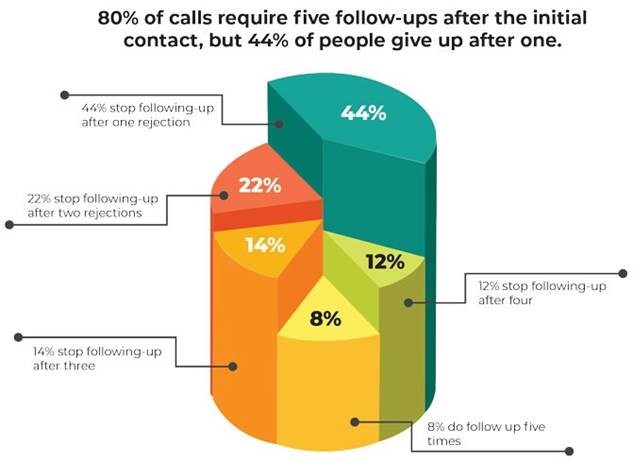
Are you familiar with the Rule of Nine? It’s a marketing concept that suggests potential customers need to see and hear your marketing messages at least nine times before they buy from you.

And crucially, studies have shown it works. So if you are experiencing a slow moment in your business right now, then review your Sales funnel! Then, start interacting with the customers in your pipeline and optimise your opportunities. 

Additionally, whether you have a small or large business, it’s important that anyone who works for your company understands the role they play in your sales process. For example, a bad customer service experience could cause your customer to go elsewhere or not renew their contract.

HOW MANY TOUCH POINTS DO YOU NEED TO SELL OUT YOUR SERVICE? - YASMINE KHATER

2. Empathise With Your Customers

It is a difficult time for many businesses, including yours. But it is also a hard-hitting time for your customers as well. While you may be tempted to offer them deals and incentives to get more of their business, perhaps pause that idea for the moment.

Instead, take the time to find out how your customers are doing. This is an important part of managing your relationship with your customers. That is, building that all-important trust.

Reach out to them to learn how their business may have been impacted by the pandemic or flood. This approach is welcoming, positive and it will give you a better idea about how you can better support them. And it will also give you new opportunities to customise your Sales approach to their needs.

The Ultimate Guide to Customer Empathy: Tips and Techniques - Channels

To Book Your Team’s Tailored How to Smash Sales in Changing Times Workshop.

3. Coach you Sales Team with Vigor

It is widely known that employees feel valued at work when they have opportunities for growth and development. And at a time when uncertainty is taking a toll on the mental health of people, it’s vital to nurture your salespeople. Especially if you want them to perform well.

Therefore, prioritise your team’s professional development with customised Sales coaching. And also offer constructive feedback to build confidence. When people feel appreciated and empowered at work, their sales performance skyrockets. A great outcome for their mental health as well as your business growth.

KONA Academy Training.

4. Get to grips with your CRM

Who do you need to contact, phone, email, call, and in what order? Working in a hybrid setup means we are spending more of our day on our CRM platform. Using your CRM to prioritise you and your team’s time will ensure optimum productivity moving forward. 

Does your team know their way around your CRM? Identifying leads, nurturing customers, and delegating tasks within your CRM is crucial to your team’s pipeline management and Sales growth.

What Is CRM Integration? – Forbes Advisor

5. Engage in Conversational Sales

The future of sales is about having a conversation versus delivering a sales pitch.

Companies are building onsite chat programs that allow conversations to occur in real-time versus online lead forms that offer no interaction. Discussions that occur while the prospect is focused on the issue allows the conversation to progress naturally.

Being able to ask well-timed and well-researched questions will yield better results than sending an email about pain points and how your product or service can solve them.

Conversational sales is all about asking quality questions and actively listening. And it is also about learning about your prospect’s business and finding ways to add value. By doing so, this immediately builds rapport and trust with your prospects to close deals more often.

To Book Your Team’s Tailored How to Smash Sales in Changing Times Workshop.

Gather the team and we will take care of the rest – learning and laughs included.

Call us at KONA on 1300 611 288 for a conversation, or email info@kona.com.au anytime.

LAURETTE WITH HOPE IS NOT A STRATEGY ON IT FOR KONA GROUP SALES TRAINING SALES HEALTH CHECK


Sales Training Courses in Melbourne and Sydney, Australia

Sales Training Courses in Melbourne and Sydney, Australia

The KONA Group offers Sales Training Courses in Melbourne and Sydney, Australia that deliver results. Your sales people and sales managers will experience behaviour transformation, and you will see a marked improvement in sales, revenues and your bottom line.

Your customised programs can involve DISC Sales Personality Tests, in depth practical training, and a lot of on the job follow up coaching.

Completely Customised Sales Training Courses in Melbourne and Sydney, Australia

Every organisation is different, with its own set of processes, culture and challenges. That is why ‘by-the-book’, generic sales training courses just do not work.

Every Sales Training Courses in Melbourne and Sydney, Australia is developed to suit the requirements of your organisation as we want you to make the most of your investment, and we do it by offering complete customisation.

These programs can also be integrated with your Call Centre Training and Sales Management Training and Coaching

Ongoing Reinforcement

Research has proven the benefits and lasting effects of proactive reinforcement. In the absence of reinforcement, participants quickly usually forget all they’ve learnt and get back to their old habits and behaviour.

Our Sales Training Courses in Melbourne are backed by post training reinforcement sessions that make sure that the new behaviours stick and that the change becomes permanent.

Trusted Sales Training Company

When you are looking for results driven sales training courses, think of KONA.

The KONA Group has worked with the biggest corporations in Australia as well as mid size businesses from a wide spectrum of industries. With a proven track record of delivering high value and results, we are a trusted name when it comes to Sales Training Courses in Sydney, Australia

Your Sales Training Programs

Your Sales Training Courses in Melbourne and Sydney, Australia will include a wide range of crucial skills that your sales people will need for lasting success, including:

So if you are looking to increase the effectiveness and results of your organisation, contact KONA today on 1300 611 288 or text 0425200883 or email info@kona.com.au to discuss how we can help you to improve your organisation’s results.

The KONA Group is Australia’s Leading Sales Training and Sales Management Training and Coaching company and provide Customised Training programs that include:  Sales Training & CoachingSales Pipeline TrainingKey Account Management TrainingCall Centre Training & coachingNegotiation Skills Training & CoachingMotivational SpeakersHR ConsultingDISC and MBTI, and more.