3 Reasons Why Your Sales Team May Not Be Hitting Targets


Sales teams are the backbone of successful businesses, responsible for bringing in revenue and driving growth.

Sometimes sales teams can struggle to hit their targets, and it can be challenging to identify the reasons behind this.

Here are three common reasons why sales teams may not be hitting their targets and what you can do to address them.

Lack Of Clear Goals And Direction

One of the most common reasons why sales teams may not be hitting their targets is a lack of clear goals and direction.

Without specific, measurable, achievable, relevant, and time-bound (SMART) goals, sales teams may lack focus and direction.

This can often lead to a lack of motivation and lower productivity.

Sales teams need:
• Clear goals
• Performance metrics
• Incentives that align with the company’s overall objectives

Sales leaders need to set targets that are challenging but achievable, and regularly communicate progress updates to the team.

Providing regular feedback and recognition to the team members who achieve or exceed their goals will help to motivate the team.

Inadequate Training and Coaching

Sales is a constantly evolving field, and the sales team needs to keep up with the latest trends, techniques, and technologies to stay competitive.

Without adequate training and coaching, sales teams may struggle to keep pace with changing market dynamics. This can negatively impact their performance.

Sales leaders need to provide regular training and coaching to their teams to ensure they have the skills and knowledge needed to succeed.

This includes:
• Product knowledge
• Sales techniques
• Objection handling techniques
• Negotiation skills

Leaders should provide ongoing support and mentorship to help salespeople develop their skills and confidence.

Poor Lead Quality and Insufficient Lead Generation

Sales teams can only succeed if they have high-quality leads to work with.

If the lead generation process is insufficient or the quality of leads is poor, sales teams will struggle to meet their targets.

Sales leaders need to work with their marketing teams to ensure the lead generation process is effective.

This includes:
• Developing buyer personas
• Identifying the most effective lead generation channels
• Optimising the lead scoring and qualification process

Sales and marketing teams should work together to ensure there is a consistent flow of high-quality leads that meet the sales team’s needs.

Sales teams are critical to the success of the business, and it’s essential to understand why they may not be hitting their targets.

By addressing the issues, Leaders can help their teams stay motivated, focused, competitive, and drive revenue growth for the business.

 

Contact KONA today to discuss customised Sales Training for your Sales Team!


5 Ways To Sell Value, Not Price

When selling products or services, it can be easy to fall into the trap of focusing on features or price.

However, this approach often leads to customers feeling like they’re not getting the most value for their money.

Instead, it’s important to focus on selling the value of what you’re offering. Here are five ways to do that:

Sell value, not price

Focus On The Problem You’re Solving

Rather than highlighting the features of your product or service, focus on the problem it solves for the customer.

This can be a pain point they’re experiencing or a need they have that your product or service addresses.

By framing your offering as a solution to a problem, customers will be more likely to see its value.

Emphasise The Benefits

Instead of listing the features of your product/service, focus on the benefits it provides.

For example, if you’re selling a software tool, instead of listing all the features it has, highlight how it can:

  • Save time
  • Increase efficiency
  • Improve workflow

Customers will be more interested in how your offering can help them than the specific features it has.

Tell A Story

People connect with stories, so use storytelling to convey the value of your offering.

Share stories of customers who have used your product/service and how it has helped them.

This can help potential customers see the value of what you’re offering and imagine how it could benefit them as well.

Offer A Guarantee

Offering a guarantee can help customers feel more confident in their purchase and see the value of what you’re offering.

For example, if you’re selling a product, offer a money-back guarantee if the customer is not satisfied.

This shows that you stand behind your offering and believe in its value.

Provide Excellent Customer Service

Customer service can be a key factor in how customers perceive the value of your offering.

If you provide excellent customer service, it will build trust and loyalty, which can translate into customers seeing the value of what you’re offering.

Make sure to be responsive, helpful, and courteous in all your interactions with customers.

Need vs. Want

By using these tips, you can sell the value of your offering rather than just its features or price.

When customers can see the value that your product or service will have for them, they will be more likely to make a purchase.

Contact KONA to discuss tailored Sales Training for your Sales Team!

Call 1300 611 288 or Email info@kona.com.au


Author – Garret Norris – https://www.linkedin.com/in/garretnorris/

5 Ways To Overcome A Sales Setback And Build Resilience

The occasional setback is inevitable in sales and can often make us feel that we are not making progress.

When the feeling of discouragement after a setback is left unresolved, it can leave you incapable of moving forward and achieving your goals.

There are ways you can recover from a setback and make a comeback!

Five Ways to Overcome a Setback and Build Resilience

Use your setback to form your comeback.

1. Acknowledge the Setback

Everyone experiences a set-back at some point. If you have one, the first step is to acknowledge the problem.

Recognise that there is no turning back and take it as a learning experience.

2. Consider the Worst-Case Scenario


Thinking of the worst possible outcome for a situation can make you feel a little bit better, as well as giving you a better understanding of what happened.

When you experience a setback, it is a good idea to consider what the worst possible outcome would look like.

3. Re-assess your Position

Re-Assess Your Vision for Moving Forward

Once you have thought about the worst possible outcome, you should go back and re-assess your vision for moving forward.

Consider things like:

  • What is the goal I want to achieve?
  • What can I do differently to ensure this doesn’t happen again?
  • How can I learn from this set-back?

4. Learn your lessons and be Resilient

It is most important to maintain a positive outlook when dealing with a setback.

Characteristics that are important in sales include resilience and the ability to adapt in stressful situations.

Learn your lessons from your setback and build your resilience.

5. Remember… Pick up and go again!

Here are some reasons why “Going Again” after a sales setback is so important:

  • Learning Opportunity: Sales setbacks can provide valuable insights and feedback about what went wrong, what could have been done differently, and how to improve for the future. Analysing the situation and understanding the root cause of the setback can help to develop new strategies and approaches.
  • Resilience Building: Going again after a sales setback demonstrates resilience and determination. It’s important to view setbacks as temporary and not as a reflection of personal failure. By pushing through setbacks, sales professionals can build their resilience and develop a growth mindset.
  • Opportunity to improve skills: Facing a sales setback can highlight areas where sales professionals need to improve their skills, such as communication, negotiation, or product knowledge. By addressing these areas and seeking out training and development opportunities, sales professionals can increase their chances of success in the future.
  • Maintaining Momentum: Consistency and persistence are key to achieving sales success. Going again after a setback keeps the sales process moving forward and maintains momentum, rather than allowing the setback to disrupt progress and cause delays.

Prove You Can Turn It Around

Although a setback can be upsetting, you should demonstrate resilience and you prove that you can turn things around.

In business and in life, you are going to have setbacks now and again. What matters most is how you bounce back.

Setbacks shouldn’t stop you from achieving your goals.

Contact the team at KONA to discuss how tailored Sales Training and benefit your team!


5 Ways To Ask Strong Sales Questions To Uncover Buyer Needs

Asking powerful questions is a crucial skill in sales, especially when it comes to uncovering the needs of potential buyers.

By asking the right questions, you can get a deeper understanding of what your customers want, their pain points, and what motivates them to make a purchase.

Here are five ways to ask powerful questions that will help you uncover buyer needs:

1. Open-ended Questions

An effective way to uncover buyer needs is to ask open-ended questions.

These are questions that can’t be answered with a simple “yes” or “no,” and instead require the buyer to provide more detailed answers.

For example, instead of asking “do you need this product?” you could ask “what are your biggest challenges when it comes to X?”

This type of question encourages the buyer to elaborate on their needs, giving you more information to work with.

2. Probing Questions

Probing questions are designed to dig deeper into the buyer’s responses.

For example, if a buyer says they need a product that is easy to use, you could ask “what specific features do you consider important when it comes to ease of use?”

This type of question helps you get a clearer understanding of the buyer’s needs and preferences.

3. Hypothetical Questions

Hypothetical questions can be a useful way to explore potential scenarios with buyers.

You could ask “what would you do if you had access to a product that solved X problem?”

This type of question helps the buyer think about their needs in a different way, and can provide insights into what they value most.

4. Reflective Questions

Reflective questions are designed to help buyers think more deeply about their needs and motivations.

You could ask “what led you to consider purchasing this product?”

This can help the buyer clarify their goals and needs and provide insights into what drives their decision-making.

5. Comparative Questions

Comparative questions can be a useful way to understand the buyer’s preferences and priorities.

For example, you could ask “how important is X feature compared to Y feature?”

This will help you understand which features the buyer values most, and can help you tailor your pitch accordingly.

By asking powerful sales questions, you can gain a deeper understanding of what your customers want or need, and ultimately what motivates them to make a purchase.

Contact KONA today to discuss customised sales training for your team!

Call 1300 611 288 or Email info@kona.com.au

Contact Button" Images – Browse 581 Stock Photos, Vectors, and Video | Adobe Stock

Negative Press When Selling? 10 Strategies Salespeople Can Use

Negative press about a product can be a huge challenge for salespeople.

It can be demotivating to hear negative feedback from customers, and it can be difficult to convince potential customers to buy a product that they’ve heard negative things about.

However, there are strategies salespeople can use to overcome negative press and maintain sales momentum.


1.    Acknowledge The Negative Press

The first step in overcoming negative press is to acknowledge it. Don’t ignore or brush off negative feedback, but instead address it head-on. Acknowledge the issues that people have had with the product, and explain how the company has addressed or plans to address these issues. Be transparent and honest about the challenges, and show that you’re committed to improving the product.  

2.    Focus On The Benefits

Rather than dwelling on the negative press, focus on the benefits of the product. Highlight the features that make the product unique and valuable, and explain how it can meet the needs of your customers. Use customer success stories and case studies to demonstrate the positive impact the product has had for other customers.  

3.    Use Social Proof

Social proof is a powerful tool for overcoming negative press because it:
  • Highlights positive reviews and testimonials from satisfied customers.
  • Uses social media to showcase customer success stories
  • Encourages happy customers to share their experiences with their network
  • Uses third-party endorsements, such as awards or industry recognition to demonstrate the quality and value of the product
 

4.    Offer Value-Adds

 One way to overcome negative press is to offer value-adds that incentivise customers to try the product. Offer free trials or demos to give customers a chance to try the product for themselves. Offer discounts or promotional pricing to entice customers who may be hesitant to buy. Provide exceptional customer service and support to build trust and loyalty with customers.  

5.    Leverage Relationships

Building strong relationships with customers is critical to overcoming negative press. Build trust with customers by providing exceptional service and support. Go the extra mile to address any concerns they may have. Use existing relationships to generate positive word-of-mouth and referrals, and encourage happy customers to share their experiences with their network.    

6.    Address The Root Cause

To truly overcome negative press, it’s important to address the root cause of the negative feedback. Listen to customer feedback and take action to address any issues or concerns they may have. Use customer feedback to improve the product and ensure that it meets the needs of your customers.  

7.    Be Proactive

To prevent negative press from occurring in the first place you should:
  • Be proactive in addressing customer needs and concerns
  • Communicate with customers regularly to understand their needs and address any issues they may have
  • Use customer feedback to improve the product and ensure that it meets customer needs
  • Be transparent and honest with customers about any challenges the company is facing
  • Show that you’re committed to providing a high-quality product and exceptional customer service
 

8.    Invest In Marketing And PR

Investing in marketing and PR can be an effective way to overcome negative press. Use marketing and PR campaigns to highlight the benefits of the product and showcase customer success stories. Use social media to engage with customers and generate positive word-of-mouth. Partner with influencers or thought leaders in the industry to generate positive buzz and increase product awareness.  

9.    Provide Education And Resources

One reason that negative press can be so damaging is that customers may not fully understand the product or its benefits. To overcome negative press, provide education and resources that help customers understand the product and its value. Provide training or webinars to help customers get the most out of the product. Create a knowledge base or support centre that provides answers to common questions and issues.  

10.  Stay Positive And Focused

It’s important to stay positive and focused when dealing with negative press. In today’s fast-paced, highly connected world, negative press can spread like wildfire. And for salespeople, this can be a major obstacle to overcome when trying to sell a product.    

Negative press can undermine a salesperson’s efforts to persuade customers to buy. People are often hesitant to invest in a product that has received negative attention.

With a proactive approach, salespeople can overcome negative press and help customers understand the true value of their product.

Remember: It is important to be transparent and honest with customers when it comes to selling a product.


Honesty is always the best policy when it comes to selling a product. Salespeople should be transparent about any issues or negative press that the product has received, but also highlight the steps that the company has taken to address these issues.   By being honest and transparent, salespeople can establish a sense of credibility with their customers.  

Leverage Customer Testimonials and Reviews, and use them to demonstrate the product’s value and effectiveness.

  This can help reassure potential customers that the product has satisfied customers who are willing to share their positive experiences.    

Contact KONA today to discuss tailored sales strategies for your business.

Call 1300 611 288 or Email info@kona.com.au
  contact us button - Phil-Mont Christian Academy    

3 Reasons Why It Is Important To Train Salespeople On Humour And Storytelling

The importance of training salespeople on humour and storytelling cannot be overstated.

Both skills can greatly enhance the salesperson’s ability to connect with potential customers and close deals.

Laughing emoji

Here are three key reasons why:

1. Building rapport and establishing trust

Humour and storytelling are powerful tools for establishing rapport and building trust with potential customers.

When a salesperson can make the customer laugh, they create an emotional connection that can go a long way in building a positive relationship.

Storytelling allows the salesperson to showcase their expertise and establish themselves as a knowledgeable and trustworthy source of information.

2. Differentiating from the competition

By incorporating humour and storytelling into their sales pitch, salespeople can differentiate themselves from the competition and stand out in the minds of potential customers.

A well-crafted joke or a memorable story can make a salesperson more likable. This increases the chance of a customer choosing to do business with them over another salesperson.

3. Engaging and retaining customer attention

It’s important to keep the customer’s attention and keep them engaged. Humour and storytelling can help to do just that.

By breaking up the monotony of a typical sales pitch, a salesperson can keep the customer’s attention and make the pitch more engaging and memorable.

A well-told story can help to explain things in a way that is easy for customers to understand.

Training salespeople on humour and storytelling can enhance their ability to connect with potential customers and close deals.

These skills can help to:

  • Build rapport
  • Establish trust
  • Stand-out from the competition
  • Engage and retain customer attention
With vs. without storytelling.

The benefits of training your Salespeople in Humour and Storytelling:

Improved Customer Engagement

Salespeople who are trained in humour and storytelling are able to connect with their customers in a more personal way.

Humour helps to put the customer at ease and fosters a friendly, relaxed atmosphere.

Storytelling allows the salesperson to illustrate a point, share information, and create an emotional connection with the customer.

These skills ultimately, increase the chances of a successful sale.

Increased Credibility and Persuasiveness

Storytelling and humour can help salespeople build credibility and establish themselves as experts in their field.

When salespeople can effectively use humour and storytelling to make their points, they become more persuasive, and their customers are more likely to make a purchase.

Improved Customer Retention

Salespeople who are skilled in humour and storytelling are more likely to be remembered by their customers, even long after the sale has been completed.

This can help to foster customer loyalty and increase the chances that customers will return for future purchases.

By training your sales team in these skills, you can ensure that your salespeople have the tools they need to build lasting relationships with their customers, which is essential for long-term success.

Training your salespeople in humour and storytelling is an investment that pays off in many ways.

By improving customer engagement, increasing credibility and persuasiveness, and fostering customer loyalty, businesses can see improved sales results, increased customer satisfaction, and greater overall success.


5 Ways To Improve Your Sales Pitch

A Sales Pitch is a personalised and well-constructed presentation.

Having access to a world of information at our fingertips means today’s buyers are more informed than ever.

So how can you improve your sales pitch and ensure you secure the sale?


Here are 5 tips to improve your sales pitch.


1. Do Your Research

Creating a great pitch requires you to understand your customer. Doing market research will help you get to know your customer’s needs.


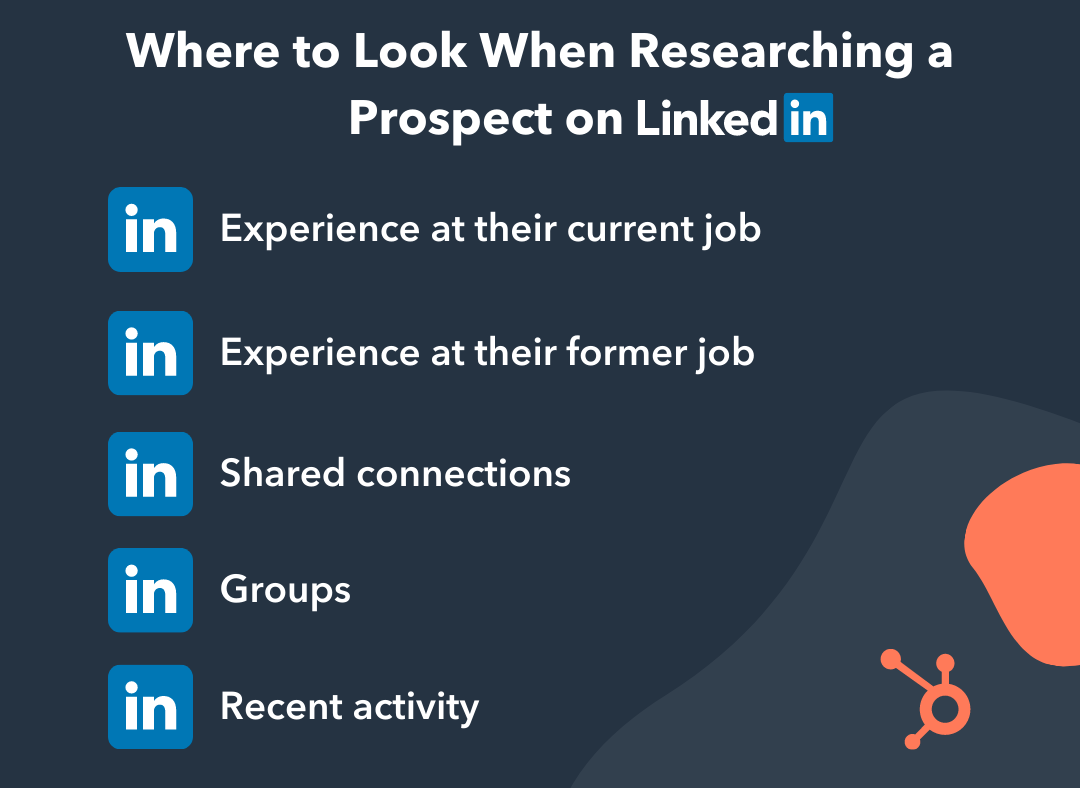
You should look at your prospect’s website and utilise LinkedIn to gain knowledge of what they do and what their needs may be.


2. Know How To Overcome Objections 

Objection Handling Sales Skills - The Digital Sales Institute

Knowing how to handle objections will:

  • Help build relationships
  • Establishing yourself as being experienced
  • Helps the salesperson determine whether a real opportunity exists


3. Listen To Understand

Active listening will give your prospect confidence in your service.

Listening to understand saves time and frustration in the long-run as you will become aware of your prospect’s needs.


4. Think About The Value Your Product Or Service Brings

Professionals who can show the value of their product above price will stand out to their prospects.

People buy products or services for the value it will give them. So it’s best to educate your prospects about value rather than just focusing on features.


5. Connect With Your Prospect
Introduction to social media | Digital Ready

It is important to connect with your prospect personally and on social media.

Some benefits of connecting with your prospect include:

  • You are more likely to make the sale- people are more likely to conduct business with those they have positive rapport with
  • Shows your prospects a more personal side of you, not just business
  • Creates a better customer experience


Have you considered how your salespeople can improve their sales pitch?


Contact KONA to discuss tailored options to enhance the performance of your sales team!


Contact Us Button PNG Images Transparent Background | PNG Play

8 Tips To Improve Your Sales Performance

Regardless of the business you’re in, sales tactics that have previously worked well may not work so well today.

Sales is an industry that moves quickly. From new competitors arising to new products similar to yours being introduced; you need to be innovative to stay relevant.

  Here you will find 8 tips to enhance your sales performance.  

1. Know Your Objective

Understand your business’ role. Think about what you do best, and what type of people need your services. Consider your product or service; what are people willing to pay for it?    

2. Break Down Your Objective Into Smaller Goals

Note down your activity targets within your control. These can be things like, calls per day or proposals per month. To then measure your progress, set results targets. For example, appointments set per call or sales made per month. Increase your activity and measure the results. Setting goals or targets allows you to focus your attention.    

3. Sell To Your Client’s Needs

Work under the assumption that your prospective buyers will purchase only what they need. It is your job to convince them of that need. Put an emphasis on the features of your product or service that will benefit the customer. Be creative in your marketing.    

4. Build And Retain Positive Attention

Efficient advertising, referrals, tactical questions, and sales skills are key to generating positive attention. Thorough follow-through partnered with great customer service are the keys to retaining it.    

5. Sell On Purpose

Think about what you do and why you do it. Who is your target customer and what questions will you ask them? Consider what your proposal will look like and why. If you feel unsure of yourself at any point during the sales process, it could be time to get some coaching or advice.    

6. Ask, Listen, Act

When asking questions during the sale process, ensure they are prepared, direct and relevant. You need to have effective listening skills and show the customer you listened to them by responding and taking action.    

7. Take Responsibility, Not Credit

You want to build a strong support team that is willing to go out of their way to help you when you need it. To do this, give your team credit when things go right, and take the blame when things go wrong.    

8. Don’t Compromise On Your Integrity

When it comes to sales and marketing, operating ethically is of the utmost importance. Due to negative stereotypes presented in the media, most people assume that all salespeople are the same. This can be a challenge for many companies. Operating with integrity and ethics will show your customer that you are trustworthy and will strengthen your reputation.    
Does your sales team need a modern approach to enhance their performance?
 

Contact KONA by emailing info@kona.com.au or call 1300 611 288

9 Important Tips For Setting Appointments

How to start a sales call the right way - CrankWheel

Business owners and salespeople often use phone calls to book appointments with clients and prospective customers.

To do this successfully you need confidence in the relationship-building aspect of telemarketing.

You have the responsibility of displaying your product or service in an honest and professional way and you are aware of the value of what it means to exceed the expectations of your customer.

What steps can you take to guarantee your best chance of securing an appointment?

1. Have A Plan

Preparation is vital. When you go into a conversation prepared with what you want to say, you can be confident that you are covering all important matters. You will be able to keep control of the conversation and bring it back if it drifts off-topic.

2. Make Your Offer Early

It is important to spark interest early on and to combat objections promptly with an offer that is full of benefits. You need to be quick to ensure negativity does not affect the customer’s decision.

3. Conversation Is Key

Ask short, open questions to gage as much information as possible from the customer. Your questions should be relevant to ensure you keep their attention and you should repeat their answers back to them when suitable. Talking for too long and confusing the client with your questions can lead to them tuning out of the conversation.

4. Handle Objections

Show the customer that you understand their situation by recognising their objections. Use phrases like ‘I understand how you feel.’ Let them know that you have had other customers that had similar objections when they first came onboard. This will demonstrate that you are experienced. Clarify that the purpose of the appointment is to understand their position and then suggest an appointment time.

Competitive Objection Handling 101: Your Guide to Knocking Competitors out of Deals and Earning the Trust of Your Buyers - Klue

5. Don’t Give In The First Time

Objections are inevitable and when they happen, it is important not to repeat the objection back to the customer or go too much into it. Don’t take any objections personally and ask the right questions to better understand their answer. It is common for it to take a number of conversations with the prospective customer before they accept your offer of an appointment, so don’t get disheartened if they do not accept the first time around.

6. Don’t Be Afraid Of Uncertainty

Admitting when you don’t know the answer to something or needing to check with someone else is not a bad thing. Building a foundation of trust with your customer is so important and if you bluff your way around their questions, it is likely they will find out and that relationship will be damaged. If you have uncertainty around an objection or question, tell them that, and get back to them with the right information.

7. Research Before You Call

The more you know before picking up the phone, the better. If you have just a name and a phone number, you can still make an effective sales appointment. If all else fails, you can always turn to Google. Or, if you’d rather, you can reach out to your connections on LinkedIn. You can even check with your network contacts to see if you know anyone who knows the prospect. You may be able to get a referral from a mutual contact.

The 18 Best Places for Sales Reps to Research Prospects [Expert Tips]

8. Create A Good Opener

Once you get the prospect on the phone, you have about 10-20 seconds before they’re ready to hang up on you. Most people automatically reject you as soon as you start trying to sell them. If you want to get past a potential customer’s rejection filter, you’ll need an opener that surprises or intrigues them. Something that will make them sit up and take notice. Once you have their attention, you can set up an appointment or at least get them to listen to what you have to say.

9. Pick A Benefit That Most Interests Your Prospect

When you have done your research and know more about your prospect, you can better customise your pitch to fit their needs or pain points. This way, you are more likely to get their business. Pick a benefit of your product or service that you think will most appeal to your prospective customer. Explain how that product or service provides this benefit to them. Our billing system helps give you peace of mind.

7 Essential Tips to Set Sales Appointments Geared for Success • Bookafy

Timeless Advice Is The Best Advice. Sell the benefits and value, not features. Come prepared, find out what the customer’s concerns are and present them with solutions. When you offer them the chance to find out more about something that they may have a hard time saying no to, offer an appointment.

Is your team following these appointment setting tips?

Contact KONA today for customised training for your business!

click here to contact the KONA Group red button or call 1300 611 288

Manifest success

“That Which You Manifest Is Before You.”

This is one of the most profound statements I have ever heard.

It is in one of my favourite books – The Art of Racing in the Rain by Garth Stein.

Such a simple concept, yet so true: “That which we manifest is before us”; we are the creators of our own destiny.

Be it through intention or ignorance, our successes and our failures have been brought on by none other than ourselves.

I think this is wonderful … and yet scary at the same time.

So all my successes I created?  Fabulous!  But wait a minute – if I’m not as successful as I want to be, then I created that too?  Horrors!  And my absolute failures, I created those too?  That’s a worry.

But let’s look at the positive.  We can create our own future.  It’s like The Secret. “What you think about and thank about, you bring about.” And other smart sayings: “If it’s to be, it’s up to me.” And the classic Michael Jackson line “I’m starting with the man in the mirror…take a look at yourself, and then make a change.”

We all have that potential to be M.A.D. (to make a Difference).  It starts with deciding what you want, what will make you happy, what’s important to you – and then writing it down.

So that’s Step 1: Write it down, record it, post it, tell someone about your plans.  Commit your dreams to paper (or the world-wide web) and it will become reality.

Step 2: Create stepping stones to get you over the troubled waters and to the other side – break it down into bite-sized pieces, so that you can achieve (and celebrate) small goals along the way.  Measure the steps that you are taking.  I love To-Do lists where I can tick off the things that I have accomplished each day.

Step 3: Ensure that you make your dreams ARE achievable.  After all, you DO want to be able to applaud your effort and not finding that you are depressed by every little obstacle in the river of life that may come your way.

Step 4: Is it possible to be CEO of a company that you just started with within a year?  Probably not! (Although for some Gen Y and Gen Xs that’s exactly what they want … and expect.  But that’s another conversation altogether!) Be realistic about your wants and needs.

Step 5: Put a date on your dreams.  Goals are dreams with a timeline.

Hmmm, seems like I’ve just written down S.M.A.R.T. goal-setting.  Specific, Measurable, Achievable, Realistic and Timely.

Well then, let’s start to manifest our destiny!