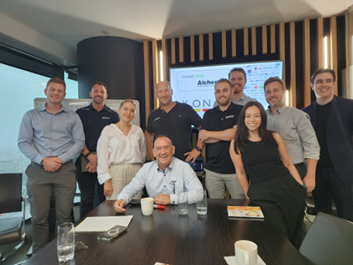
Garret Norris – CEO of the KONA Group at a KONA Sales Workshop
The main objective of Sales Coaching is to provide real value to a business. A quality Sales Coach will help salespeople recognise and understand their points of weakness, and then create a structured plan to overcome them.
Sales coaching is an important element of continuous improvement and development of salespeople.
It is more important now than ever for businesses to invest in Sales Coaching for their Sales Teams. In a cost-sensitive climate, sales productivity has a direct impact on the bottom line, which then impacts business revenue. Maximizing sales productivity begins with effective sales coaching.
The difference between Sales Training and Sales Coaching
Training and Coaching are actually very different and have different outcomes.
Sales Training typically teaches people specific skills, focusing on knowledge transfer and skill retention.
Coaching offers tailored advice to clients during one-on-one sessions and hones in on enhancing skillsets that are already there, rather than introducing new skills.
For example, if a company is introducing a new CRM (customer relationship management system), the employees will need to be trained to learn how to use the new system.
Once the team has learned how to use the new CRM, some employees may struggle to apply their knowledge in real-world situations. This is where coaching comes in.
Studies have shown that up to 73% of employees who have received coaching, say that coaching improved their communication skills, interpersonal skills, work performance and more.
How will you know when coaching is required?
Some signs that your team may need coaching can include:
Lack of productivity
Low morale
Lack of employee engagement
Breakdown of communication between team members
Conflict
Some common areas that we find coaching should be focused on include:
Sales coaching enhances the performance of individuals in your team with ongoing and personal attention to develop their strengths. It will enable the team to reach their full potential and achieve sales goals.
Return on Investment after Sales Coaching
Good indications of ROI (Return on Investment) after Sales Coaching are factors including:
Improvement in sales metrics
Increase in revenue
Boost in employee morale
Some ways that you can measure ROI after sales coaching can be through: employee surveys before and after the coaching, KPI’s, and Sales performance tracking. Focusing on the results before and after coaching will give you a good indication of how your team has benefited from Sales Coaching, as well as bringing to the surface other areas that may need attention in the future.
Coaching for Team Leaders and Sales Managers
KONA facilitates Team Leader and Management Sales Coaching. Performance and development plans can be incorporated to meet the development expectations of your team.
Hiring a Sales Coach for your business comes with many benefits. Sales Coaching can:
Bring your team together
Increase business revenue
Bring in new clients
Retain existing clients
KONA’s Sales Coaching is tailored to your company’s needs. We offer different programs based on who needs coaching, and what areas they need to be coached in, such as improving communication skills, refining closing techniques, or addressing particular weaknesses.
Contact KONA today to discuss how we can tailor our coaching programs to your business.
Salespeople prospect to generate new leads and find customers. When done properly, prospecting can create interest in your product or service and form a foundation of trust between a prospect and a business. In sales it’s imperative to know the importance of prospecting to maximise success for your business.
We will explore what prospecting is and why it is important. We will also discuss the difference between prospecting and selling, and some useful prospecting tips you can use to secure leads.
What is prospecting and why it is important?
Prospecting is the initial phase of the sales process. Sales reps can use an array of methods to find potential clients or customers who are interested in buying their product or service.
Some widely-used prospecting strategies include:
Cold calling
Social Media
Email marketing
Text messages
Letter drops
Prospecting not only brings in new clients, but also allows businesses to spark interest amongst leads that may have previously enquired, but haven’t led to a sale.
The importance of prospecting:
Helps spread information
Generates interest
Establishes trust
Advertising for your brand
Prospecting vs. Selling
Selling and prospecting are equally important when it comes to the customer relationship. Prospecting is the first contact a company has with a customer. On the other hand, selling involves interaction with clients to pitch products or services and close deals.
Selling involves:
Research
Personalisation
Communication
Objection handling
In-depth knowledge of the product or service
3 Key Prospecting Tips
Networking: Networking helps people meet others that they typically wouldn’t have met. Sales professionals often use networking, whether in person or online, to generate interest when prospecting.
Power Hour: The KONA Sales Power Hour is a focused and intensive period of time, during which your sales teams dedicate themselves to “hitting the phones” and put their sales skills to the test. The Power Hour teaches your sales team the disciplines and skills to turn calls into sales and hot prospects.
Email Campaigns: Salespeople often use prospecting databases and contact lists to send emails to prospective clients, focusing on advertising a specific product or service.
How to generate more leads
1. Create buyer personas
A buyer persona is a detailed description of someone who represents your target audience. Creating a buyer persona requires collecting data and documenting trends and needs. Developing buyer personas will allow you to better understand who your target audience is, leading to stronger client relationships.
2. Tailor your approach to client needs and pain points
Every customer’s needs are different, and their reason for seeking your product or service will vary. However, after creating buyer personas, you may start to notice some trends. You can use this information to customise your approach.
To tell every prospect about every product or service you offer can be overwhelming. By tailoring your presentation to their needs, you are saving everyone time and making the customer feel understood.
3. Personalise communication
Using people’s names or company name is a simple gesture that helps to form a connection between yourself and your prospect.
You can use information from client profiles or previous conversations to personalise your proposal.
4. Utilise Social Media
Social media can be used to your advantage to expand your professional network and spread information to hundreds of people. Researching social media metrics is likely to improve your reach and spark up conversations. Monitoring social media metrics can help you to gauge how well you are accomplishing your goals and where you may need to modify your campaign.
5. Follow up
Follow up is an important part of the prospecting process. If you tell a prospective customer that you plan on following up with them, then you must do so. You can do this through means such as:
Email
Phone call
Text
This will help to build trust, which is important for all professional relationships.
Why use KONA for your training requirements?
We offer diverse experiences and skill sets, allowing us to match the right trainer, coach, mentor or support person to your needs.
We have real-world experience in the trenches. We truly get you, and we’ve got your back.
Would you like to find out more about how KONA can help your Sales Team reach their full potential?
How will you improve the experience your customers have when they contact your customer service team?
What type of relationship do you wish to have with your prospects and customers?
How do you plan to increase the results from your customer service team?
KONA can impart effective Call Centre Training to take the customer service skills of your customer service team to the next level. See your customers turn into your brand ambassadors and your sales figures rise dramatically with Call Centre Training programs tailored to your business.
What We Do
KONA Group’s Call Centre Training for Customer Service Skills programs are completely customised to suit your requirements and you can expect the following results:
Dramatic improvement in customer satisfaction
Consistent increase in first call resolutions
Improved customer retention
Improvement in the morale of your customer service executives
Performance culture of your organisation improves
A dramatic increase in KPI’s across the board
Reduced staff attrition rate
Increase in successful cross selling and up selling
Offer Extraordinary Customer Experiences
With our Customer Service Skills Training Program, your executives will learn to handle customer calls with confidence, grace and with increased awareness. They will become true listeners, always putting the customer’s needs first.
They will become better at handling conflicts, and resolve issues and complaints proactively without the need to escalate calls. We don’t just impart random customer service skills. We will work with you to understand your business, your vision, your goals and your customers.
Armed with in-depth insight about your organisation and your goals, we create a customised customer service skills program that delivers the results you desire.
Your team will learn how their attitude can affect customer interactions, develop telephone skills, learn what it takes to generate repeat business and will learn how to handle difficult customers.
Your Customer Service can be Your Winning Sales Strategy
Customer service and sales are quite often viewed as completely separate business strategies.
This is understandable, as customer service is mostly ‘customer retention’ focused, and sales is ‘customer acquisition’ focused.
Customer Service and Sales — Two Very Close Relatives
Regardless of these differences, the two are very close relatives. For instance, if service is perceived as sporadic or low quality, this can potentially backfire on the sales process.
The benefits of quality customer service to a business cannot be underestimated. Benefits can range from increase in revenue, lower risk of business failure, increased efficiency, reduced costs attached with new customer acquisition and more.
Customer Service Impact on Customer Experience
While focus must be placed on sales training — customer experience, if consistent, creates a ripple effect on your business.
When customers receive quality services from a company, they take that experience with them and publicise it within their social network.
Sales reps can use testimonials from satisfied customers in their sales pitch. This has proven many times to be very effective in sales.
It’s without a doubt much easier and cheaper to sell to satisfied existing customers than a new prospect.
Sales Training for Customer Service
Sales training is undeniably important and it should be all-encompassing.
Head of Global Enablement at Oracle, Roderick Jefferson, suggests sales enablement (which includes sales training) should act as a hub that interacts with all parts of the organisation including sales, marketing, HR, call centre training, etc.
Mark Johnson, a Customer Loyalty Specialist makes an interesting connection between emotions and customers loyalty. He explains that:
“Customers may not always remember everything about your brand but they will cling to the select few moments that made them feel strongly in one way or another… Whether it’s a surprising reward that triggers a happy response, or a poor customer service experience that left them feeling undervalued.”
2. Use customer reviews and testimonials as promotional material
Add testimonials and customer reviews in your promotional materials (website, social media, etc).
Highlight the reviews that particularly talks about the features and benefits of the product or service.
If possible, include actual video testimonials.
Customer reviews and testimonials are two of the most powerful ways of boosting the selling points of your brand, and showing off your customer service.
3. Use the push vs. pull method to stop selling and help people buy
With the vast wealth of choices and information available online, customers don’t want to be pushed into a sale any more, they want to be pulled in by what is beneficial to them.
So it’s crucial your sales people are also learning about what motivates a customer’s buying decision.
What happens to a sales leader who submits bad forecasting? A POSITION I NEVER WANT TO FIND MYSELF IN!!!
The consequences for a sales leader who consistently submits inaccurate or bad forecasting can vary depending on the company, its policies, and the severity of the forecasting inaccuracies.
Performance Reviews: In many companies, sales leaders are evaluated based on their ability to meet or exceed sales targets, and accurate forecasting plays a significant role in this. Consistently submitting bad forecasts that lead to missed targets will result in negative performance reviews, which could impact bonuses, promotions, or job security.
Reprimands and Warnings: The sales leader will receive formal reprimands or warnings from higher management or HR if their forecasting inaccuracies are affecting the company’s performance and financial results.
Loss of Credibility: Repeatedly providing inaccurate forecasts WILL erode the sales leader’s credibility within the business, making it difficult to gain trust.
Coaching and Training: Some companies may offer additional coaching, training, or support to help the sales leader improve forecasting skills (if you are lucky!!!).
Reassignment: If the forecasting inaccuracies have a significant negative impact on the company’s performance, the sales leader may be reassigned to a different role within the business, potentially with reduced responsibility (if you are lucky!!!!).
Termination: Let’s face it, persistent and severe forecasting inaccuracies that have a substantial detrimental effect on the company’s financial health and reputation most likely will lead to the termination of employment. Aside from the obvious “self-preservation” motives, accurate forecasting is vital for the business. If your sales teams forecasting is not accurate it will have negative consequences for you and your business.
Revenue Shortfalls: Inaccurate sales forecasts will lead to revenue shortfalls if the actual sales results fall significantly short of what was predicted. This will impact the company’s financial stability and profitability.
Overstock or Understock Issues: If you as the leader submit overestimated demand, it can result in overstocking of products, tying up capital in excess inventory. Conversely, underestimating demand can lead to understocking, causing missed sales opportunities and customer dissatisfaction.
Resource Misallocation: Poor sales forecasting will lead to misallocation of resources. For example, if your business invests heavily in production or marketing based on over-optimistic forecasts, it may lead to wasted resources and increased costs.
Inventory Costs: Inaccurate forecasting can result in higher carrying costs for excess inventory or increased costs for expedited orders to fill unanticipated demand.
Customer Dissatisfaction: If salespeople promise products or services that you cannot deliver due to inaccurate forecasting, it will lead to customer dissatisfaction, damaging the company’s reputation and customer relationships.
Cash Flow Issues: Revenue shortfalls due to poor forecasting can affect a company’s cash flow, making it difficult to meet financial obligations.
Strategic Missteps: Poor sales forecasting can lead to misguided strategic decisions, such as expanding into new markets or discontinuing products prematurely based on unreliable data.
Loss of Credibility: If a company consistently misses its sales forecasts, it can erode the confidence of investors, lenders, and other stakeholders, making it more challenging to secure funding or support for future initiatives.
To mitigate these consequences, businesses often invest in improving their sales forecasting processes, utilising data-driven approaches, technology, and regular communication between sales teams and other departments to ensure more accurate and reliable forecasts. Additionally, ongoing training and coaching for salespeople can help improve their forecasting skills and accuracy.
Even the slightest miscalculation or wrong activity can have a catastrophic effect
One degree of latitude equals approximately 364,000 feet (69 miles), one-minute equals 6,068 feet (1.15 miles), and one-second equals 101 feet. One-degree of longitude equals 288,200 feet (54.6 miles), one-minute equals 4,800 feet (0.91 mile), and one second equals 80 feet.
Therefore, if I got on a plane from Sydney, Australia, to London, England and the pilot was out by one degree, where would I end up? It’s 10,559.57 miles or (16,993.98 km).
If you were one degree to the north of your intended course, you might end up in a location somewhere to the north of London, such as Scotland or another part of the United Kingdom. If you were one degree to the south of your intended course, you might end up in a location to the south of London, possibly in France or another part of Europe.
Consequences of a slight miscalculation:
Miscalculations can be disastrous. From bridges collapsing, buildings leaning to one side, machinery malfunctioning, and significant financial loss, the consequences of miscalculations can be catastrophic.
Importance of accurate calculations:
Essential for the safety and reliability of products
Fix small issues before they become major problems
Avoid issues arising
Avoid financial losses
Some Notable Examples of Slight Miscalculations having Catastrophic Effects
Mars Probe Lost due to simple Mathematical Error
NASA lost its $125-million Mars Climate Orbiter because spacecraft engineers did not convert from English to metric measurements when exchanging critical data before the craft was launched.
A navigation team at the Jet Propulsion Laboratory used the ‘millimeters and meters’ in its calculations, while Lockheed Martin Astronautics, who designed and built the spacecraft, provided vital acceleration data in the English system of ‘inches, feet and pounds’.
Due to this, JPL engineers confused acceleration readings measured in English units of pound-seconds for a metric measure of force called newton-seconds.
The Deepwater Horizon Oil Spill
The Deepwater Horizon oil spill was a catastrophic failure that had long-lasting effects on the environment and livelihoods of thousands of people. On 20th April 2010, the oil rig exploded, killing 11 workers and causing one of the largest oil spills in history.
The cause of the disaster was traced back to faulty cement used to seal the well that was being drilled. The cement was not strong enough, and oil was able to flow through the well and into the ocean. The disaster was worsened by inadequate safety measures and equipment failure.
This disaster acts as a reminder of the importance of safety measures and high-quality materials. The use of lower quality materials, combined with insufficient safety measures, can result in catastrophic events with long-lasting consequences.
The NASA Challenger Explosion
The Challenger explosion was another devastating disaster in the history of space exploration. On the 28th of January, 1986, the NASA Space Shuttle Challenger exploded just 73 seconds after liftoff, killing all seven crew members.
The cause of the Challenger explosion was traced back to a rubber O-ring that failed to provide a proper seal in one of the solid rocket boosters. The design of the O-ring was flawed, and NASA had been warned about the danger of a devastating failure before the launch. Still, the launch went ahead, leading to the disaster.
The key takeaway from this disaster is the importance of proper design and thorough testing. If the O-ring was designed correctly, or had NASA listened to the warnings, the Challenger explosion could have been prevented.
It’s important to recognise that while slight miscalculations or errors can have negative consequences, they are a part of the human experience and can often be corrected or mitigated.
It’s essential to learn from these mistakes, take corrective actions, and implement safeguards to minimise the likelihood of future errors. In some cases, attention to detail, quality control measures, and simply double-checking calculations can help prevent miscalculations and their potential consequences.
Contact KONA today to discuss how we can help you avoid a miscalculation and keep your sales team on track! Call 1300 611 288 or Email info@kona.com.au
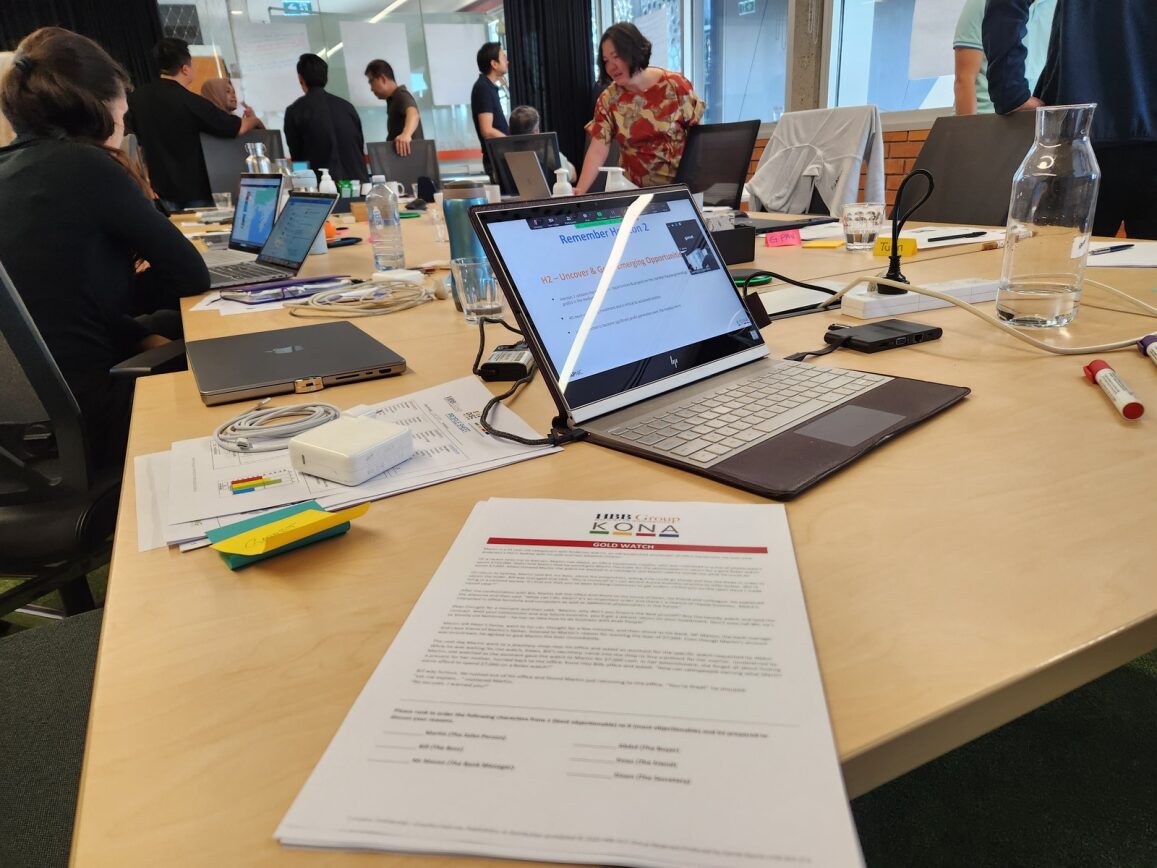
Garret Norris – CEO, The KONA Group leading a Sales Training Workshop
I recently was involved in a program where we assessed the top Key Account Managers and it was a great success.
Assessing the best will have so many benefits.
On the day we all learned so much. While rewarding the top performers and learning from their success, we uncovered a clear path to improve overall sales performance. Such a great day in Tasmania, which will help in so many ways including:
Setting Benchmarks
Learning from Success
Motivation and Competition
Training and Development
Improved Customer Relationships
Increased Sales and Revenue
Better Sales Strategy
Understanding the strengths and weaknesses of your top Key Account Managers can inform your training and development programs. You can tailor training to address specific areas of improvement for other team members.
Assessing the best Account Managers in your organisation is crucial for improving overall sales performance, fostering a culture of excellence, and driving business success.
It’s an ongoing process that involves recognising, rewarding, and learning from your top performers to benefit the entire sales team and the business as a whole.
What is Key Account Management?
Before delving into what makes a Key Account Manager successful, it’s important to understand what Key Account Management is, and why it is so important.
Key Account Management focuses on building and maintaining strong relationships with a select group of a company’s most valuable customers. These key accounts typically generate a significant portion of the company’s revenue and are strategically important for the long-term success of the business.
Why is Key Account Management Important?
Key Account Managers work to increase revenue by nurturing and retaining top-earning accounts. This allows companies to maximise the value they receive from their key customers. Key Account Management is a strategy that ultimately contributes to a company’s growth and prosperity.
5 Traits of a Successful Key Account Manager
A Key Account Manager’s (KAM’s) main objective is to maintain and grow key accounts.
Here are 5 important traits a Key Account Manager should possess in order to be successful:
1. Rapport Building Skills
One of the most important traits of a successful KAM is exceptional rapport building skills. A successful KAM will have the ability to develop and nurture relationships with their key accounts.
Studies have shown that up to 54% of consumers say good customer service is lacking in their interactions with companies.
A good Key Account Manager will ensure they are not on the wrong side of this statistic by having excellent interpersonal and communication skills, which allows them to understand the needs and goals of their clients, as well as to establish credibility. Building strong relationships is the foundation of successful Key Account Management.
2. Strategic Thinker
KAMs must think strategically. They need to have a deep understanding of both their own company’s strategic objectives and those of their key accounts.
They can align these objectives to create mutually beneficial partnerships
They are skilled at developing and implementing strategic account plans
They drive growth and value for the business
3. Problem-Solving Skills
A successful KAM is a skilled problem solver. They can identify potential issues and challenges that may arise within key accounts and develop solutions to address them proactively.
Their ability to think critically and find innovative ways to overcome obstacles is crucial to maintaining a positive relationship.
A KAM needs effective problem-solving skills in order to:
Identify opportunities for growth
Assess risks
Create tailored solutions for their customers
4. Analytical and Data-Driven Approach
KAMs use data and analytics to make informed decisions.
They typically analyse:
Account performance
Customer behaviour
Market trends
Analysing these factors can help them to identify opportunities for upselling, cross-selling, and optimising the customer experience.
Having an analytical and data-driven approach helps KAMs make informed recommendations to their Key Accounts and increase revenue for the business.
5. Adaptability and Resilience
Lastly, but arguably the most important trait for a successful Key Account Manager is Adaptability and Resilience – successful KAMs need to be adaptable and resilient.
Research shows us that 97% of executives believe resilience in business is important. Yet only 47% believe their business is resilient.
A successful KAM can adjust their strategies in response to market shifts or changes in key accounts’ needs.
They can also handle setbacks and challenges without losing focus or motivation, maintaining a positive outlook.
With this said, could your Key Account Managers improve on their essential skills for success?
Here are some tips you can use to develop as a Key Account Manager:
Focus on account planning
Be proactive, not reactive
Ensure your customers are your main priority
Ask for feedback
Embrace change
How do I know if my team need Key Account Management Training?
Are your Key Account Managers trying to grow your key accounts with limited success? Maybe you have noticed that your business seems to be overly dependent on a few key customers – despite there being immense opportunity in the market.
KAM training helps to support Key Account Managers by developing the skills needed to systematically retain and grow their key accounts.
To find out more about KONA’s Key Account Management Training, and to discuss how it can benefit your team, call KONA on 1300 611 288 or Email info@kona.com.au
Why did the bad negotiator bring a ladder to the meeting?
Because they wanted to reach a “higher level” of agreement!
Negotiations are complex and often challenging. The pressure in a negotiation can cause even the best negotiators to make mistakes. All successful managers and salespeople need to negotiate at some point or another, and it won’t make your job any easier if you don’t know how to negotiate effectively. For instance, you may be unable to solve problems that other negotiators can solve easily.
Negotiation Training can benefit your sales team by equipping them with the skills to secure better deals, build stronger relationships, improve profitability and avoid negotiation mistakes.
We will look into 6 common mistakes made in negotiation and how they can be prevented.
Poor Preparation
As the old adage goes, “If you fail to plan you plan to fail.”
Just knowing what you want going into a negotiation is not enough. You need to plan and prepare.
Going into a negotiation well prepared will make you feel more confident, and will allow you to demonstrate your knowledge of the topic.
Not to mention, you will be less likely to forget something if you are prepared.
A good rule of thumb is to include everything in the negotiation from the beginning. It’s a lot more difficult to add new conditions or demands once the negotiation has already taken place.
Practice your pitch
Clarify your reasons or arguments
Think about what the other party is likely to say
Consider what you’re prepared to compromise on
Bring your notes with you
Failing to Build Rapport
Building rapport with your opponent in a negotiation is a strategic move that can significantly impact the outcome. It paves the way for more productive and cooperative negotiations.
You’re more likely to reach a mutually beneficial agreement if you establish a good relationship early in the negotiation process.
If you are unable to build rapport in a negotiation, you are less likely to be able to:
Establish Trust
Have open communication
Reduce Tension
Solve Problems
Overcome Deadlocks
Persuade
Poor Listening Skills
Poor listening skills in a negotiation can have detrimental effects on the negotiation process and its outcome.
To be a successful negotiator, you have to listen to the other person.
Avoid things like:
Interrupting
Ignoring what the other person is saying
Rushing or impatience
Being defensive
Good listening skills in negotiation can help you to learn what the other person wants and verify how far apart your positions are.
Not Establishing Your BATNA
Your “BATNA” or “Best Alternative to a Negotiated Agreement” should be established before you enter into a negotiation.
Your main goal in negotiation is to get what you want, but you also have to determine what your next-best alternative would be. This way, you can ensure you know when it’s best to walk away.
Having a BATNA means you can push harder during a negotiation, and potentially even get a better outcome than expected, because you’ve stayed open-minded.
Making Assumptions
Another common mistake in negotiations is to make assumptions.
Making false assumptions in a negotiation can lead to:
Misunderstandings
Biased Decision-Making
Inflexibility
Missed Opportunities
Instead, go into a negotiation assuming that nothing is off the table – this way, you will have more options.
Focusing only on Price
Going into a negotiation focusing only on price is a negotiation mistake, because you risk backing yourself into a corner.
Of course, many negotiations, especially in business, have a monetary aspect. And price is important, but often, it is only part of a deal.
So, what else could you negotiate? Consider other factors such as:
Adding additional services
Improving contract terms
Timing
Quantity or Volume
Successful negotiations require preparation and a clear understanding of what both parties aim to achieve.
Although you want to secure the best deal, negotiations are not just about winning. There are many other factors that come into play.
Next time you need to negotiate, consider if you could be making a negotiation mistake that may cost you your desired outcome.
How much is poor negotiation costing you? Contact KONA to discuss tailored negotiation training for your sales team.
Most people would agree that making a mistake is okay, as long as we learn from it and don’t make the same mistake again. Sales is no exception.
Too often we see salespeople who are confused as to why they are not converting leads. More often than not, we find that it’s because the sales team are making the same sales mistakes over and over. This is usually because they aren’t aware they are making a mistake.
Here is a list of 7 common sales mistakes we typically see, and how they can be avoided.
7 common sales mistakes
1. Poor Listening Skills
It’s common in sales for salespeople to over-explain their product or service.
When you are talking, you’re not listening to the needs and pain points of your customer. It’s important to find the right balance between talking and listening, but generally you should be listening more than you are talking.
Studies have shown that it is best for salespeople to allow their customers or prospects to speak for 57% of the time. In order to achieve this, or somewhere thereabouts, you should be asking quality questions. Then you can let your prospect take it from there.
Being solution-focused is about understanding your customer’s needs and problems and demonstrating how your offering can address those issues effectively.
Nowadays, most customers do their own research before talking to a sales rep, so usually they already know of the features that your product has to offer.
Before pitching, establish the pain points of your customer, and display your product as the solution.
3. Discussing Features and Benefits, but not Value
Many salespeople make the mistake of only pointing out a product’s features and benefits, rather than value.
Remember that value doesn’t always mean price. Think about the value your product will have to your prospect. For example:
Will it give them peace of mind?
Will it help them save time?
Will it improve their health or wellbeing?
Will it provide them with safety or security?
4. Poor Closing Skills
We often see Salespeople spending too much time focusing on how they are going to present their pitch, rather than focusing on the actual sale. The most important part of the sales process is to convert leads – turn a prospect into a customer – that’s what you should be focused on.
That’s not to say that your sales presentation doesn’t play a part in the sales process, but the key is: solving the customer’s problem.
You have to ask a prospect to buy. It’s important not to let distractions steer you away from your main goal of closing the deal.
5. Unable to Handle Objections
As a salesperson, what should you do when you hear the words ‘No’, or ‘Not right now’?
Don’t get disheartened
See it as an opportunity, not a rejection
Show that you are open to hearing their questions or concerns
Be honest when answering their questions
Objections in sales are inevitable. Your customer has to be certain before they purchase, and as the salesperson, it’s your job to ease their concerns.
Be aware of the most common objections that you hear and address them in your pitch before the prosect brings them up. Doing so can prevent objections from derailing the conversation.
Remember that objections are a natural part of the sales process, and skilled objection handling can turn a “no” or “not right now” into a “yes.” Building trust and providing solutions are key to overcoming objections and closing deals.
6. Over Promising
Overpromising and underdelivering in sales can have significant negative consequences for both the salesperson and the business. It can result in:
Loss of Trust: Overpromising can erode trust with the customer. If you make grandiose claims that you can’t deliver on, customers will quickly lose confidence in your product or service and may even feel deceived.
Damaged Reputation: Word of mouth is a powerful force in business. If customers feel they’ve been misled by overpromising, they may share their negative experiences with others, damaging your company’s reputation.
Unhappy Customers: When you fail to meet the expectations you’ve set, customers will likely be disappointed.
7. Can’t get past the “Gate Keeper”
You have to be able to meet with the decision maker early in the sales process to make a successful sale – but this doesn’t mean you can’t talk to other parties involved.
During the sales process you will come across many people, who most of the time, will take you to the decision maker. It is a waste of time not to identify the right people to talk to.
Some tips to getting past the gatekeeper include:
Treat gatekeepers with respect. They often have an important role within the business and can be influential. A positive first impression can go a long way.
Build rapport with the gatekeeper. This may involve multiple interactions where you provide value or insight that benefits their role or the business.
It can be hard to avoid the occasional mistake, but keeping these tips and strategies in mind can help salespeople to minimise their chances of making a mistake that could cause damage to their reputation or that of the business.
Ensure your Sales Team aren’t making these Common Mistakes
The KONA Group: If you want to improve your sales team and give them the tools they need for success, learn more about working with us here.
Our Sales Training Programs: Join the salespeople and leaders who dramatically shifted their results with KONA Sales Training, and continue to smash sales records and generate raving fans. They call it an ‘unfair advantage’. To us, it’s simply learning to love sales and your customers again. Learn more here.
I remember as a child growing up in Wicklow, Ireland, going into my Dad’s office and he was looking perplexed.
I said, “What’s wrong Dad?” At which point he reached over and picked up a large pile of official looking pieces of paper and said, “Garret, if you ever go into business, please remember that irrespective of what we sell, we deal with people first. If we lose sight of the need to emotionally connect with the other person, we lose sight of how we should sell and help.”
He went on to explain that the document was a contract that he needed to go through, as the business he was working for didn’t listen to the needs and wants of his customer and they just kept quoting the contract.
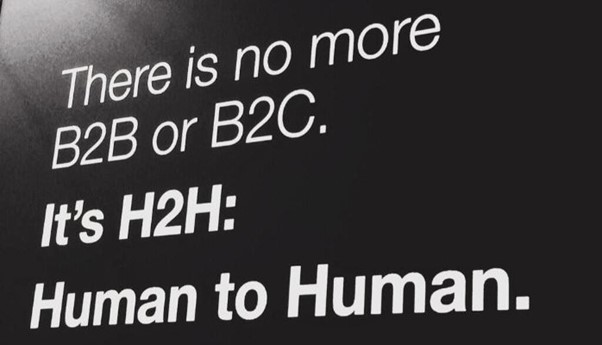
We don’t sell B2B or B2C we sell H2H.
Garret Norris – KONA Group CEO
Too often we hear businesses referring to their interactions as B2B (Business to Business) or B2C (Business to Consumer), but what do all of these transactions have in common?
That at the core of them all, there are humans.
So, what does a H2H sales approach mean?
Selling H2H (human to human), means focusing on understanding the needs, challenges, and goals of the people you are selling to. It involves effective communication, active listening, and tailoring your solutions to address their specific needs.
H2H selling creates emphasis on personal connections, empathy, and relationship-building. It’s about recognising that behind every sales interaction, whether B2B or B2C, there is a person who makes decisions, and building meaningful relationships with those individuals is crucial for successful sales.
With this in mind, how can you tailor your approach to begin selling H2H? Here are 10 tips when selling H2H:
1. Authenticity
Building trust and rapport with customers requires authenticity.
People want to connect with real people, not faceless corporations.
Sharing your company’s story, values, and culture can help to create a genuine connection with customers.
Authenticity not only builds trust and credibility with customers but also helps salespeople establish meaningful and lasting relationships with their clients.
2. Personalisation
Have you ever had a salesperson or company personalise a product or service to you?
If you have, you will know how it made you feel, and how you were more inclined to use that product or service.
“People will forget what you said, people will forget what you did,
but people will never forget how you made them feel.” – Maya Angelou
Tailor your marketing and customer interactions to individual preferences and needs.
Use data and technology to provide personalised experiences that show you understand and care about each customer. Some benefits of taking the time to personalise your sales pitch include:
Making your pitch stand out from others
Adds a ‘Human touch’ making it less ‘robotic’
Shows the client that you understand their needs and goals
3. Communication
Effective communication is essential in sales. It’s important to engage in two-way conversations with your audience.
Respond promptly to inquiries and feedback
Actively seek out customer input and suggestions
If you would like to know more about how the
KONA Group can help you grow your business, click here.
4. Emotional Connection
Connect with your audience on an emotional level. Show empathy, compassion, and understanding. People are more likely to support businesses that align with their values and emotions.
Businesses that create strong “emotional contracts” with their customers develop a high level of trust, which overtime, increases revenue due to repeat purchases.
5. Transparency
Be transparent about your products, services, and business practices. Honest and open communication builds trust and credibility.
Putting ourselves in the customers shoes, when we purchase any product or service from a business, we expect honesty.
Customers don’t want to be misled, no matter how small the detail may be.
6. Storytelling
Share stories that resonate with your audience. Storytelling is a powerful way to convey your brand’s mission, values, and impact.
To be an exceptional salesperson these days, it requires more than product knowledge and data; you also need the ability to wrap the data in relevant stories.
Storytelling in sales allows you to bring more genuine emotion, trust, and connection into the process.
7. Customer-Centric Approach
Put the customer at the centre of everything you do. Make it easy for customers to reach out, provide feedback, and get support. Continuously improve based on their needs and preferences.
Being customer-centric makes it easier for customers to make purchases and can actually make customers want to purchase. Word of mouth is a powerful tool in sales, and if word gets around that you provide excellent customer service, it can lead to more referrals and ultimately more sales.
8. Community Building
Foster a sense of community around your brand.
Encourage customers to connect with each other and with your team.
You can do this through social media, forums, events, the list goes on.
9. Long-Term Relationships
Focus on building long-term relationships rather than just making one-time sales. Loyal customers who feel connected to your brand are more likely to stay and advocate for your business.
10. Feedback Loop
Establish a feedback loop to gather and act on customer feedback. This demonstrates that you value their opinions and are committed to improving their experience.
Asking for feedback can help to uncover new opportunities within client relationships and reduce customer complaints because you will be promptly reacting to their needs.
In the end, whether you’re selling to other businesses or directly to consumers, the H2H approach underscores the importance of human connection, empathy, and building lasting relationships.
It’s a mindset that can help businesses thrive in today’s customer-centric and highly competitive marketplaces.
Want to know more about KONA’s H2H Selling approach and
how you can implement this mindset in your business?
In sales, assumptions should be used as starting points for understanding the prospect’s needs and situation. However, it’s vital for salespeople to be adaptable and willing to adjust their assumptions based on the information they gather during the conversation. There are key skills salespeople can work on to help them make better assumptions and build stronger relationships with their prospects.
Too often people assume that in Sales, assumptions are bad. That itself is a bad assumption. A poor Sales assumption at that.
Assumptions are great. We need to make assumptions.
Assumptions assist us in setting a direction, they give us something to aim for or a place to go. But indeed, for every action there is an equal and opposite reaction. That is, we must remember, there are two types of assumptions in Sales. Positive and False.
An assumption is something we take for granted, and when this turns out to be false, we call it a false assumption. There are numerous false assumptions people in sales might make. For example, a salesperson might falsely assume that a client’s problems are easy to fix. Not to the client they are not!
So, with both positive and false Sales assumptions in mind, here we have gathered for you a list of 6 Good and Bad assumptions made by Salespeople, and how to turn those assumptions into result driven activity with serious ROI!
If you’d like to discuss how KONA can help you improve your Sales Team,
When a client asks the question, “Is that your best price?” why do we reply, “Let me see if I can do better”? In KONA’s Negotiation Skills Workshops, we do an exercise where 80 percent of the participants caved when asked that question. You need to go to the negotiating table with the assumption that you are presenting your lowest price. But then again, why are you selling on price? Why aren’t you selling solutions? Make things happen!
This is going to be a Great Day
Eternal optimists are indeed wonderful to be around.
Everyday has something good in it! Why would you get out of bed if you did not believe this assumption?
“If I sell hard this month, it will grow my sales three months from now”. True. There is very little you can do to affect your sales this month. It is what it is. But what about the next few months?
You should be working on your sales three to six months in advance. String together three months’ worth of hard prospecting and combine it with the above “This is going to be a great day” assumption and you will have something to look forward to. That is, Sales! Make things happen!
I don’t know everything
The sooner you acknowledge that, the smarter you already are. You can always, always, learn something new and improve your sales efficiency. No matter how well you are handling your time management, there is always time to grow your knowledge. There is always fat on that bone. However, this assumption is a curse every bit as much as it is a blessing.
Just because you could work harder does not mean you should. As much as it is important to “not just sit there, do something!” it is also important to “not just do something, sit there!”. Everyone gets the same number of hours in a week. If you are being outsold by a competitor or even by someone in your office, a part of the reason why comes from the fact that the other salesperson is more efficient with their Sales time or is trying something new that they learnt. Go and make new things happen!
Negative or False Sales Assumptions
My Customers aren’t happy with their business
Wrong. If they were not, they would have already changed. Your job is to help them see why it is worth doing things differently. Focus only on what is relevant, actionable, and valuable to your prospect.
Help them envision how your solution will get them to their goals with greater ease. Leverage what you already know about your customers to ask better questions, deepen conversations, and establish credibility. Build that Effective Communication!
Through Effective Communication, that is Quality Questioning and Active Listening, you can demonstrate familiarity with your prospects’ business, processes, industry, issues and challenges to set yourself apart from the competition. Experiment with creative ways to get your customers saying, “Hmmm, that’s interesting. I’d like to learn more.” Make things happen!
There’s no point leaving a voicemail message
Here is an eye opener – voicemails actually hold a lot of value. For many, voicemail is considered a black hole of selling and a waste of time. But you in fact can gain a lot by leaving a professional message. Instead of thinking that your words are falling into the abyss, why not make the assumption that you are auditioning for the job? Every word, every inflection, every nuance is being scrutinised. Now, instead of leaving a bland voicemail message or worse, just hanging up, you see voicemail as a chance to demonstrate your selling skills as well as your persistency. Better preparation yields not only a better sales call, it also results in a better voicemail. Make things happen!
I hope I fill my Pipeline this week
Hope is Not a Sales Strategy! Nor is it a business strategy. Or a success story strategy.
It is not a strategy for anything that requires a result.
There is only one strategy for Sales, business, success, results – and that is ACTIVITY. Activity drives results. That is it. It is that simple.
The more active you are the bigger and stronger your pipeline. The FOUR specific activities you need to look at immediately for your pipeline growth:
So, pick your correct assumption and make it work. The old adage says when you assume, you make an “ass” out of “u” and “me.” – that is crap. That only happens if you do not validate the assumption before you act on it. If you validate it, there are no asses, rather there is just two people (you and your customer) on the same page ready to make things happen.
Now go make things happen – start by getting your team ahead of the competition!
Contact KONA today on 1300 611 288 for a confidential conversation or
Hi Garret, I just wanted to say thank you again for today the feedback I was given this afternoon was that it far surpassed what they expected and that it was completely different to expectations but it covered everything in such an immersive and engaging way. I hope you had a safe trip home. And I will be in touch for some more future training opportunities!
Erica Wilkinson
Pathways Business Manager
Thank you Garret Norris. Your dissemination of knowledge was inspiring, insightful, thought provoking and lot of Fun! Your ability to create a safe, relaxed & energetic environment in which to deliver & demonstrate your ideas and knowledge is remarkable! Made for lots of learning and had a positive impact on us all! Thank you
Melissa Peace
Strategic Partnership Expert
A fantastic 3 days, you had us engaged, interacting, learning and threw us out of our comfort zones in the best possible way. I echo what my colleagues have said below, all of which is 100% true. Implementing these three days into what we do is now the focus and I look forward to connecting again soon, and look forward to more sessions where we can continue to learn, develop and and thrive in what we do, whilst living and breathing our WHY. Still buzzing, thank you!
Hessa Robinson
Education Sales Manager
The team loved the day and were raving about it to our marketing colleagues and managers who were unable to make the session. Garret, you were an amazing and engaging presenter.”
Dominic Taafe
Oncology Portfolio Manager
Hi Garret, I would like to say thank you for your time and effort last week at the Martec sales conference. The session from you went beyond my expectations in both your delivery and the involvement from my team. Thank you once again!
Ken Dick
General Manager
Hi John,
We would like to take this opportunity to thank you for the sessions and contribution in our journey towards service excellence. The sessions were very well planned and relevant to our modus operandi. The team is very appreciative of your guiding principles and quick lessons from the sessions. The immediate display of the lessons learnt will be witnessed during our current peak time. I’m definitely a better listener now Thank you.
Aakanksh Nyayapati
Senior Analyst, IT Service Delivery
Again I found the training session really engaging, you can tell that Garret is very passionate about what he does. It may sound cheesy, but I left feeling inspired and refreshed.
Kimberly Britts
As always I thought Garret was amazing and motivational, great refresher and gave me some new ideas to try and apply to what I do. Always great to participate in these sessions.
Stuart Gill
Honestly I don’t think it matters his cost as always has something insightful and thought-provoking to leave you with no matter how many times you’ve seen him or your position or length of tenure.
I would love to see what he could offer the wider company (not just sales) from a psychology point of view because I feel that the provocation he provides is beneficial to all he comes in contact with. I really enjoy it because we just get each other.
Daniel Jura
Being relatively new to this industry I was a little apprehensive going into my company training day, I thought it may have been scientific and technical and it's an area where I feel a teeny bit inadequate. The relief I felt when Garret started "warming up" the room was ridiculous. He made everyone feel comfortable, relaxed and engaged. At times I feel we over complicate things to make ourselves feel more important or special. In the end, Garret reinforced the need to slow down, fully engage, leave the ego at the door and listen. This training is a must have for all teams, no matter the level. It will make you stop, think and love sales again. Can't wait until the next one.
Stacey Taylor
Account Executive
Garret Norris is a rock star coach. He has transformed our Inside Sales team.
Love his work!
David Piggott
Managing Director
Having just competed a national customised training program where we engaged Garret and KONA all I can say is thank you Garret does his homework and prepares.
The impact we were able to achieve with our teams in rolling out a game changer was fantastic. Thanks Garret appreciate the effort and the results to date.
Iain Whyley
National Sales Manager
It has been an absolute pleasure and privilege to participate in a number of Garret's training and skill enhancing workshops and I cannot recommend him highly enough. Even as an experienced sales professional I always learn new things from him, think harder about what I do, and become more effective in my role. Garret's presentation style is both unique and genuine, honest to the core, while his role play and coaching principles are easy to understand and extremely worthwhile.
For anyone who needs to hone or develop sales and negotiation skills Kona, and particularly Garret, are certainly the RIGHT choice.
Craig Alderson
Business Manager
As a sales and negotiation professional, I have been involved in a few courses. I am very impressed by the way Garrett gets to the point directly and I know he speaks from experience. He has lived it.
I would like to work with Garrett more in the future as I believe we speak the same language in business. I’ll be in touch soon. Thanks Garret.
Shane Campbell
Senior Key Account Manager
Garret and Healthy Business Builder has been a huge influence on our business and its staff, The results have drastically increased thanks to his techniques and on going support. Very impressed with the overall service and I look forward to continuing our partnership in the future. Highly Recommended.
Johnny Justic
Founder and Managing Director
If we have the opportunity to have more sessions, I think it would be very beneficial. I have found that the concepts presented and the skills we are working on are quickly delivering results and are relevant to us, not simply adapted from their usual clientele. He is much more engaging than other speakers we have had in the past, and from the way other members of the team have been speaking about him it’s a feeling and opinion shared by many others. Also : if he can turn skeptics like Palagy around, I feel that says something!
Rebecca Landers
Tax Depreciation Specialist
Thank you again for spending time with our team over past 2 days.
Some valuable tips learnt and looking forward to seeing the impact it has on our team moving forward.
Jeremy Sinclair
Team Leader, Business Development
Definitely the best training session I have attended (including my own ha ), I could relate to the methods conveyed to us very easily. Well done Garrett and look forward to another head bashing
Gary Tozer
Tax Depreciation Specialist
We certainly appreciate the time and effort and will be making sure we include some of the hints and tips into our processes moving forward.
Matt Jenkin
Team Leader, Business Development
I really thought Garret was brilliant, its not just about selling, its about getting the conversation started. I felt it was really good. I have started using some of the techniques already and adapting to my style.
1 – First call Thursday, did a different approach, lady called in, started the chat by tell me about the property, then went onto telling me the info on the house, I went over everything, she was sounding relaxed, got her remaining details and said “lets get this started today for you” response Great lets do it.
2 – next call was a guy, same style all went well, then the Cost question, Ï can get this for $660.00 from another company” My response, that’s great, Do you want to save $100 today or save $thousands more in deductions with us in the long term, slight silence, then said good point, went ahead!
Stewart Gill
Tax Depreciation Specialist
I enjoy his take on what to say to clients who have been given the wrong free from their accountant. He said not to apologise and don’t get stuck on it and simply say that the fee is $770 and that you’ll call the accountant afterwards to make sure they know the fee’s, but then move on straight away. It was refreshing to have an outsider’s perspective on that. I tried it yesterday and didn’t apologise to a client when the accountant gave them the wrong fee. Not sure if it was just luck, or if Garrett is a genius or if it made me sound more confident or what but she converted.
Sarah Jackson
Tax Depreciation Specialist
I was so impressed with your training programmes, I felt compelled to write to you in appreciation. Although it was blatantly obvious you were a professional outfit right from our first meeting, your services have far surpassed my expectations.
I have been in sales and sales management for 15 years with 5 different companies and have attended many quality-training programs. During this time I have never experienced a program that adapted its philosophies and methodology so succinctly with a companies industry, market, products and value proposition.
Ultimately! The test of any training program is the results it delivers. Since KONA has worked with James Hardie the sales effectiveness of the team has increased dramatically. But an even more noticeable improvement is the quality of leadership displayed by the sales management team.
Glen Doherty
General Manager Sales
Glenn Dobson is the most charismatic and inspirational sales training and business development coach I have ever had the pleasure of working with.
At times confronting, Glenn breaks down your current sales process and delivers honest direct feedback! With a thorough understanding of your customers, product and industry, Glenn provides you with the necessary tools and roadmap to be more effective in professional sales.
Glenn's material is all his own and is presented in an easy to understand format, tailored for your business. I look forward to working with Glenn in the future. Ps, all the best for the IronMan world champs Glenn!
Graham Winder
BDM
Not only has our partnership with KONA proven to be highly beneficial for our management team… it has also proven to be an enormous return on investment with sales improving by over 23%.
Mark Lucas
Director XEROX UK
I have enjoyed working with KONA several times.
KONA have worked with my sales team strategically to raise the bar on their performance and belief in their ability to deliver results.
As personal coaches the HBB Group have guided me through my career by reminding me to clear away the clutter and keep it simple Sam. Keep on running Glenn.
Frank Courtney-Jay
Sales and Marketing Manager HP Singapore
Next Business Solutions used the team at KONA to take us through their Hearts and Minds training. Great team at KONA of people who are not only very experienced their product but they also bring their people skills that have been developed through their extensive global activities.
Rob Clydesdale
Microsoft Next Business Solutions Franchisee
Garret is a true professional and constantly challenges the norm which creates the high performing teams we have at MLA.
Garret has lead and coached our team to deliver outcomes that make a difference.
The approach from Healthy Business Builder was unique to our business and it has proven to be successful for MLA.
I would highly recommend Garret for any other business wanting positive, successful outcomes for your business.
Lisa Sharp
Chief Marketing Officer
The KONA Group has provided excellent customised training and coaching for our managers and staff at Nova Employment. First of all the KONA team gave a vast amount of knowledge to our managers on how to manage their staff. They then educated the employment consultants on how to handle difficult employers when telemarketing for jobs, before also giving them the skills on how to hold a face to face sales meeting. KONA have increased our jobs by 50% ever since they have been providing Nova managers and staff training and coaching.
They are always willing to provide assistance when needed and are always available to call if we need any further help.
Their training has been very successful for our organization and has been able to put Nova Employment in an extremely strong position. I highly recommend the KONA training and coaching as they are very good mentors in providing the best outcomes.
Peter Delimitrou
Employment Service Manager
The development programmes have had an outstanding effect on our business and results, and on the way our sales people treat our customers.
Frank Morberger
State Manager
As a consequence of KONA’s efforts and commitment very quickly we have seen some explosive changes with the team through the introduction of various client focussed and sales strategies, measurements and skills. Their motivation, direction and activity have all increased… and we expect our profits to escalate accordingly.
Ian Crowther
General Manager
Glenn Dobson and Garret Norris are coaches that really stands out to me as they take pride in what they do and deliver. I first utilised KONA around 7 years ago when he evaluated our business which ended up delivering some hard hitting facts , as a result changes needed to be made BUT as a consequence of those initial chats KONA helped set up a sales pipeline where we could track our activity and results which led to a 300% increase in sales within the first 6 months of implementing his sales tools.I HIGHLY recommend KONA but don't want the world to know what they can provide a business as this will give other companies an unfair advantage like we have !Glenn is now a mentor, a friend and above all someone that inspires you to always achieve your best.
Keiran Hathorn
Managing Director
Glenn is high highly talented leader who has assisted us in defining industry leading strategy. I would recommend KONA to anyone requiring an honest, intelligent, strategic, motivating and hard working business leader.
Troy Dawson
Chief Information Officer
Dear Glenn
As we complete stage one of the Campbell’s and John Lewis learning and development programs, I would like to take this opportunity to say a huge thankyou to you and the KONA team for all of your time, commitment and energy to the project.
The response from our managers and sales team has been absolutely outstanding and everyone has benefited immensely from your involvement.
I agreed with both Brian and Geoff at the time when they stressed the importance of developing a program tailored to our business and you more than achieved our expectations.
I know you invested a lot of time in preparation and the time you spent with our people out on the road, visiting customers, was obviously well worth it. Included in the feedback from participants from around the country are, amongst many others, the following quotes: “Already I am putting some of the new techniques we learnt into practise and getting results from them”
“ I now feel as if I have greater control and structure over my sales approach and customers”
“I am communicating with my customers like never before and they are telling me things about their businesses that prior to the course I didn’t have a clue about” “I am managing my people in a far more effective and productive way and I feel that I can now start to see the light at the end of the tunnel” Once again Glenn, thankyou very much for all of your efforts and I personally can’t wait for the next stage!
Kurt Wilson
National Training Manager
Since NOVA and KONA started working together we have almost doubled our results in less than 9 months!
I had identified a need for developing our sales skills, but KONA delivered so much more than sales training to our business. Glenn encouraged us to take a step back, analyse our methods and develop a performance culture. As a manager responsible for performance, I appreciated that he clearly and fearless articulated our performance gaps from an outsider’s perspective to our management team, helped us to reverse engineer our results so that we could clearly identify what was needed to achieve performance KPI’s, and delivered practical, real world and customised training based on our business.
I look forward to a continuation of our partnership with KONA and learning more to help NOVA move forward and be even more successful.
Anne Goyer
Training & Development Manager
KONA professional sales and sales management training has been an excellent educational journey on how to enter the Hearts and Minds of our customers and Shareholders. To become business resources and strategic advisors. To build a relationship that understands our customer’s hopes, fears, dreams and vision to create opportunities for future growth that we can be a part of. The course has been taught in detail that can easily be implemented and has brought the entire sales and management team at Plumbing World into focus looking to achieve a common goal. I highly recommend any time spent with the KONA Group.
Russell Thomas
Branch Manager
KONA Group’s services were used by Brickworks Ltd in the form of Sales Management training. Glenn is unlike any other in his ability to connect with the audience. Glenn motivated me so much during a session. I decided at that point I would change my life forever. There was a group of us, that very moment who decided it was a time for change. Glenn explained the model for change and by using this model, it was possible to increase your chances of success 10 fold in anything you wished to achieve. The change we wanted to make was a healthier lifestyle. We decided to embark on a weight loss challenge. Using the attributes of the model, many achieved their ideal weight within months. My personal journey has seen me continue with the challenge and have now lost 29kgs, with 10 kgs until I am at my ideal weight. My lifestyle is now very different, being very careful with what I eat, walking approximately 50kms per week and doing Crossfit 3 times a week. I am on the way to fantastic health. my dad said to me yesterday, son you are looking the best you have in 30 years. They were great words to hear considering I am only 44 years old. I am healthier, I am stronger than I have ever been, I am more motivated, I am more focused and feel like a real winner. I don't believe I could have achieved this without using Glenn's model for change. Thanks Glenn, I would not have been able to do this without you, you have changed my life.
Trevor Marshall
Sales Manager
I have been lucky enough to attend B2B sales training run by the KONA Group. I have found Glenn to bring the same drive and passion that he applies to Iron Man training across in his training sessions. His training is not something you could read straight out of a text book - there is no "turn to page three". Glenn delivers real world pointers that are applicable in the changing workforce of today. The tools that he gives you, help you go through the door to be become a true business/strategic partner for your customers. Without these tools you would be standing on the curb, looking in, being a 3 P flogger! I would highly recommend attending a training session if you get the opportunity.
Keith Geenty
Sales Representative
Glenn is one of those fearless "can-do" high achievers that every business needs. His team at KONA make a valuable blend of skills and experience that deliver Sales results fast and ongoing. The hands on approach makes the KONA business a Sales consultancy suited to SMB up to large corporate, because it is all about people and their activity. Highly recommended regardless how good you think you are!
Paul Scanlan
General Manager
I would like to recommend The Kona Group for sales training that is succinct and professional and works.
I would have to say that after the training that we had received we have noticed a huge difference to our KPI's and have made for the great results that we are now seeing.
Belinda Hamburger
Branch Manager
KONA has provided a unique sales program to the Sales Team at Plumbing World, with an in depth knowledge of the subject and passion for sales that has ensured that the key tools required to be a successful sale person and build business to business relationships has already started to occur in the company in only a short period of time.
Casey Stuart
Regional Manager New Zealand
KONA has a unique approach to sales training, which has allowed Plumbing World to make a significant step change with its sales team. The training is fully customised for Plumbing World, which is important, as the it has developed far more engagement and buy-in from the sales team. The results have been immediate, giving Plumbing World a better understanding of and relationship with, our customers. Leading to new accounts being opened and an increase in sales from existing customers. For example as a direct result of the KONA training, a customer who's spend had dropped away for the previous 12 months, has increased their spend 16 fold.
Mike Dyer
Sales & Operations Manager
I was so fortunate to be able to attend the KONA training workshop at the 4life office in Sydney in February. I cannot begin to tell you how motivating and inspiring I found it to be. You gave me tools that I can use for both my personal and business growth. You demonstrated in a very simple manner how to set short and long range goals that are attainable. As you said hope is not a business strategy.
The day spent training with you was so worthwhile I have been implementing some of the strategies and am passing it to my downline. I would recommend this workshop to anyone who is serious about business building.
Jyoti Sidhu
KONA has a passion for seeing both people and business's improve through the process of training and educating staff. They will encourage and coach the business and your people to become better at what they do and to improve your "bottom line.
I have known Glenn both professionally and as a friend for 13 years now, and I have no hesitation in recommending KONA as a Business professional and also as person who commits fully to whatever challenge, be it business or physical such, as Ironman triathlon or running across the Sahara desert.
Robert George
Team Leader Inventory Control
Following the reorganisation of the field sales force, the KONA Group provided a number of workshops and coaching sessions in order to improve the understanding of how the company was changing the way that it operated. KONA supported us with the change by building trust and gaining buy-in from the team. KONA did an excellent job of emphasising the role of the field force in developing new business and building the sales and performance culture.
Jonathan Shinn
Operations Manager
Glenn is one person who knows how cut through to the real issues facing sales organizations of today, unearth the real potentials of a market of opportunity and help managers develop their companies unique "point of difference" to increase sales beyond what they ever thought possible.
Glenn is a master coach for both business and life's goals.
Paul Winter
QLD State Manager
I had the pleasure of meeting Glenn Dobson through our participation in one of the toughest footraces on the planet, The Marathon De Sables. In the time we spent together leading up to the race I became quickly aware that Glenn was an extraordinary human being.
His athleticism and endurance not only humbled me but inspired me to push myself to peg new boundaries. Whilst Glenn's achievements in Ironman and other endurance events puts him in a very small minority group his drive, motivation, energy and business knowledge puts him amongst an even smaller elite group of people. I have been fortunate to have been a professional in the financial markets for close to 20 years and this has exposed me to a vast array of individuals, their ethics and work practices.
During this period I don't think I have meet a person with the focus and drive to consistently deliver quality outcomes to his clients and business associates. Having an opportunity to interact with Glenn on any level whether it be business or social is something that will ultimately make you a better person. I have been fortunate to have shared an extraordinary challenge with Glenn but have been as equally enriched by the relationship we now share as a result of the race.
Justin Gallagher
Head of Equities Sales Trading and Execution
During my tenure in the building and construction industry the KONA Group was engaged to help align the sales function with the business and marketing strategy - a major shift in how we presented to market. KONA’s Hearts and Minds program challenged past paradigms and equipped our sales resource with a robust sales strategy, along with sustainable sales management and tactical skills which continued to deliver year on year growth.
Linda Ginger
Marketing and Branding Director
Glenn Dobson is a rare individual worthy of being on anybody's list of potential mentors. Glenn is an entrepreneur, successful business-operator, world-class Ironman Triathlete, terrific father and rumour has it, a pretty good husband! We have worked together on various projects over the last decade and I continue to marvel at his pragmatic ability. Glenn is a master at taking any 'theory' in the field of sales and translating them into immediately applicable methods for any client. He truly understands that "Results Count" and has consistently been able to cut through the bullshit in our project work, for his clients and in his own businesses. If you ever wanted to see a living breathing example of a 'balanced' individual who exemplifies Covey's "Important vs. Urgent" Glenn is your man. Add to that Collins' "Disciplined (person), applying disciplined thought and taking disciplined action." and you've found yourself a winner! Good on you Glenn. You really are a role model.
James Michael
Founder and CEO
We have been very impressed with your capabilities and see you as a key player in rolling out our customer service programmes.
Andrea Westwood
Capability Development
Throughout my career with Commonwealth Bank I met several business coaches, but 'Glenn Dobson' is the only name that I don't need to challenge my memory to remember. Glenn is an amazing coach with unique techniques; structured and interactive. He is one of the most positive people I have ever met, his amazing achievements are certainly as a result of his dedication, his commitment and his 'can do' attitude.
Odette Shahnazari
Manager
I was introduced to the KONA Group some five years ago through a mutual and respected business contact. My first impression was that Glenn has a unique sense of purpose, he is driven, motivated and passionate about achieving results personally but also in supporting others to achieve beyond their own expectations.
Over the past five years I have witnessed KONA in many business scenarios including business consulting, change management projects, sales management projects and executive level leadership programs.
Glenn is a natural leader and a manager in these environments. People respond well to him and his down to earth style.
Personally Glenn has an engaging communication style, an unstoppable enthusiasm to exceed expectations and first class networking skills.
I am proud to call him a friend, colleague and business partner and would recommend you consider his services when required.
Susie Lomas
Director
I have been in Glenn's training groups for the past 10 months, 4 to 5 sessions. I have found him to be a very enthusiastic speaker with a wealth of knowledge for us to take on board and work with. His presentation is hands on and easy to work with.
Working with KONA has had a huge impact on the Nova's business as we have increased results in some areas by between 50 -100%. I would highly recommend him and his business.
N/A
Glenn is one of those clients that truly partners with you and adds value back to you as a service provider. He's not a slave to his own views, nor is he a passenger in the process. He's very outcome focused and understands the core drivers of personality and individual values in achieving goals. That said, this is a man that no doubts lives by the virtue that profit, without honour, is loss. There's nothing manufactured or contrived about his work, quite simply he is inherently like this by nature. His background and experience speaks volumes. Over and above that he is a quality person.
Craig White
Director
Glenn is an effective business owner and trainer, he is clearly passionate about his company and the services Kona provides. Glenn has an energy and enthusiasm that is both infectious and motivating, which leads to confidence in his delivery and professionalism.
Nick James
National Sales Manager
KONA Group facilitated several workshops at the Advanced Group of companies for both the sales and operations teams. They are highly motivational and provided the teams with tools and techniques to improve their ability to connect with customers in both business development and service delivery roles. KONA is very business focused and pragmatic and focuses on what gets results.
I would recommend KONA to any other business that is looking to improve their sales capability or turn their project managers and operations managers into customer champions.
Jonathan Shinn
National Operations Manager
You'll only meet one Glenn Dobson of this caliber. Glenn is an International Ironman, Businessman and Sales Guru. With an extensive career in sales across UK, Europe, Asia and Australia.
Glenn is a consummate professional who has 'been there and done it all' when it comes to competitive sales environments. Commercially aggressive, his ability to identify growth opportunities and drive activity to deliver results for his clients is astounding.
The energy and discipline required to compete as an athlete at the elite level is evident in everything he does. As a Speaker, Glenn is inspiring, direct and highly motivating. All his business engagements are conducted with the highest level of integrity and results are always the number one priority.
Sue Thompson
Business Manager
Glenn is a master at focusing the attention of any sales team, business owner or sales manager on the importance of having a strong sales pipeline to the future prosperity of any business. He lives and breathes what he teaches and is able to succinctly and very effectively impart his extensive knowledge of how to establish and then manage a sales pipeline that will continually deliver new and profitable business. If your business needs a significant improvement in its sales performance Glenn should be the first person that you contact.
I recommend him highly for any size business or corporate enterprise.
Daniel Watson
Managing Director
Glenn is one of those rare individuals that makes you feel positive about life, just by being in the same room with him. I have known Glenn for a couple of years now and I am constantly amazed at the total energy output this man has. A true strategic thinker who has the ability to spot a great idea and turn his skills into a passion that is so infectious. If you are considering getting alongside this true gentleman, then I would say that this is one of the best things you will do today, if not the week, month or even year.
Greg Gillespie
Owner
I have worked with the KONA Group for over 6 years and have found them to be some of the most consistent and driven people ever!
A dynamic trainers with a strong emphasis on activity and results, KONA has brought invaluable experience to my own, and my staff's training.
If you are involved in any Sales capacity, or are managing a team involved in Sales, then KONA Group is a "must call" individual.
Aaron Williams
Founder and Managing Director
Garrett and Sienna at KONA group, were absolutely fantastic from appointment right through to the follow up of initiatives post workshop. Both had communicated effectively prior to the workshop and made sure the day was a phenomenal success for our Leaders at Openmarkets Group. Most importantly, Garrett is very engaging and all our leaders were switched on throughout the session with some key insights. I highly recommend Garrett, Sienna and the KONA Group.
Heidi Mehl
Executive Assistant to CEO
Engaged Kona Group to deliver account training workshop for Etex - Siniat. Great collaborative approach to course preparation and workshop execution very effective and extremely engaging for all participants. Great job Garret!!
Joe Mori
National Business Development Manager
Right from my first call to the actual day of DiSC profiling session, the KONA group were fantastic and provided excellent service. Garret facilitated the session, and his delivery technique was impactful and valuable to all attendees.
Umesh Datwani
Operations Manager | Investment Services
Garrett is a great coach/mentor, it was an honour having him here, and the progress was WAYYY more than I had anticipated, so I am very thankful.Hope you guys have an awesome day, just like you! ☺
Hana Hellou
Customer Support Manager
I have recommended Garret and the team at KONA to many organisations I have worked with. Their methods constantly challenge the norm, creating and supporting high performing teams. Garret has lead and coached our team to deliver positive and sustainable outcomes that make a difference to our teams and stakeholders. The approach from KONA is unique to each business or organisation and it has proven to be successful time and time again. I have witnessed many dysfunctional teams make changes to the way they operate after sessions with Garret and it is such a delight to see our teams work collaboratively and cohesively. They begin to communicate in new ways due to the deeper understanding of how individuals operate, communicate and learn. I would highly recommend Garret and the team at KONA if you are wanting positive, sustainable and successful outcomes for your business.
Kathryn Emmett
Executive Assistant to Head of Asset Projects | Olympic DamExecutive Assistant to Head of Technical Portfolio
My team and I had the pleasure of hosting Garret for Sales Training and it was absolutely fantastic. A thoroughly enjoyable day as we tackled key concepts, engaged in role play and absorbed the benefit of Garret's extensive experience. We look forward to working with Garret and his team again in the future.
Melanie Pritchard
Group Manager - Digital Revenue
Truly the most insightful and relatable training/professional course I’ve had the pleasure to be a part of. Absolutely will leave a review - 5 stars
Narissa Chan
Senior Digital Account Manager
Garret took our team of 10 (experienced) sales consultants for the day looking at profiling and strategic sales techniques. It was motivating, insightful and fun. I wouldn't hesitate in recommending Garrett and Kona - we will be back.
Stephen Richards
Director Sales Marketing
Thank you for the most insightful and relatable professional workshop session. It was gratifying, and I feel empowered and more confident.
Thank you so much for delivering such a valuable and engaging session. It was certainly in the spirit we intended. I have had positive feedback, and the team mentioned how valuable they found your session specifically.
Ekta Manwal
HR Advisor
Thanks Garret Norris & the KONA Group for an awesome day yesterday! We learned a lot, but also has so much fun along the way. We look forward to working with you again.
Peg Vaghaye
Executive Manager, Broker Relationships
Thanks Garret Norris for a fun filled 2 days with not only lots of laughs but lots of valuable lessons on how to improve our skills when communicating with our customers and fellow work mates. I know all of us are excited about putting all we’ve learnt into practice.
Heather Priest
Head of Sales APAC at Altura Learning
Garret has a gift which enables him to connect and engage with everybody in the room. Although he is very accomplished, he is very down to earth and uses his Irish charm and humour to put everyone at ease. His delivery of the training was excellent and kept our groups attention for the whole 2 days which is no easy feat! The tools learned in the workshop re-ignited my passion for the sales environment - which is exactly what I was hoping for. All feedback from our team was positive and I would not hesitate to recommend Garret and his team.
Jaime Reid
Senior Business Development & Training Manager
Excellent session with you both Garret and John. Really appreciate the insights into delivering a better experience for all parties involved in a negotiation. Couldn't recommend KONA enough for anyone looking to enhance their Sales and Negotiation capability.
Luke Day
Business Development Lead
Thanks so much Garret Norris and John Wright. It was great training and the team have been talking about it all week. Just what we needed! We will definitely be getting KONA back again!
Judy Cole
Managing Director
Garret delivered some sales training for our team in Brisbane. We are a specialist recruitment agency with people of various experience levels. He was able to tailor an engaging session that everyone was able to benefit from. Thanks Garret!
Forrest Briggs
Principal Consultant & Director
The training that was provided by KONA and delivered by Garret was second to none. I believe my team and I have learned a lot over the training and have had a lot of positive feedback from them.
Benjamin Helmore
Branch Manager
This was a fantastic few days, thank you Garret.
Donavan Derman
CFO
Garret's Sales Communication Training delivered a strategic advantage to our team, who are now equipped with the practical tools needed to drive customer success.
Robert Guerin
Chief Executive Officer
Very interesting/enlightening experience. Quite surprising to receive and witness such accurate profiling of each individual's DISC Profile.
Mitchell Jeggo
Operations Manager
Hey Garret. Just a quick word of thanks. My time on the road with my team has become so much more intentional and productive. One thing I hear when I ask about what they want from the meeting is they say things they want to share. I am getting them to ask what do they hope to learn and discover from the meeting. Anyway just saying again, you have helped me.
Marco de Geus
General Manager - Sales
Really enjoyed our group training day. Learned some interesting insights about myself & colleagues.
Betty James
Senior Marketing Specialist
I couldn't speak any higher of Garret and his team! To gain the trust in our team and instil such empowerment so quickly, is incredible! The ongoing support and encouragement following the training has been wonderful and invaluable. To anyone looking for sales or leadership training for yourself or your business, this team is the best I've ever come across!
Samantha Sullivan
Sales & Marketing Manager
Very down to earth and very easy going.. extremely informative and made the day fun. Thank you greatly.
Adam Carr
Supagas Australia
I've had the good fortune of being trained by Garret on two separate occasions - firstly as a sales agent & later as a leader. His highly engaging delivery, backed by his extensive knowledge is inspiring & insightful. I will always be grateful to Garret at the Kona Group for re-igniting my passion for sales & mentorship.
Gary Lawson
Senior Sales Development Manager
We had the pleasure of John at KONA facilitating some DISC training at our workplace. The group was cohort of different leadership levels at a federal government department. John's expertise and engaging teaching style made the half day thoroughly enjoyable. His real-world examples and interactive approach kept everyone involved and provided valuable insights into team dynamics and personal communication styles. Highly recommend John and KONA for professional development needs!
Jahn Giolitto
Assistant Director
My favourite session at mid-cycle was the guest speaker Garret Norris. It boosted my motivation & made me rethink the way I have conversations in scoping calls with potential customers. I came out of that session with new skills in communication & questioning and found it really valuable as someone new to the sales world.
Natalia Henderson
Pharmacy Business Consultant
Fantastic hands-on coaching by Garret. Really appreciated the wealth of insights and strategies from Garret’s breadth of experience working with other businesses that we can reference. Highly recommended to anyone who would like to improve their external engagement or sales skills!
Lily Che
Senior UX/UI Designer
Thanks Garret, the team really appreciate everything that you did, it was extremely informative, you made the role play interesting and comments from our team that have been on sales courses before, "The best sales course they have ever done.” Our focus now is to put some of these techniques into play!
David Arndell
General Manager
It is really easy to improve our teams communications and ability to work as a team..... when you have a competent, engaging and professional facilitator delivering a message like "Communication and response". Garret Norris certainly gave our team at Rural Financial Counselling Service NSW - Northern Region access to the tools that they need to go forward in meeting our vision with enthusiasm! On behalf of the team.... Thank you Garret!!!
Gary Goldberg
CEO RFCS NSW - Northern Region
One does seldom come across a presenter that builds value, brings real world examples and enables you to be pushed in an environment that is not only safe but also fun. Garret's style is fitting and relevant to the world of today's customers and practices. In my career, I have been to a number of these sessions and left with a textbook approach. However, after spending time with Garret I have a new toolbox of solutions that enable me to best serve my customer and provide true value for all parties. If you're wanting a change approach and down to earth sense of fun with serious outcomes you cannot go past his sessions, real world examples and genuine impromptu approach.
Wade Bailey
Sales & Operations Management
An excellent few days of genuine, modern sales training and workshops. Garret has just the right demeanour to engage the room, providing new tools and sharpening existing ones, all whilst having a bit of fun.
Gareth Spencer
National Sales Manager
✨️"The quality of communication, can only be measured by the response you receive" - G. Norris.
Today, I had the privilege of participating in an incredible Account Management and Sales Training session delivered by Garret Norris. The experience was both insightful and inspiring, with practical strategies and techniques tailored to drive impactful client relationships and sustainable business growth.
What truly stood out was the focus on understanding personality profiles using hashtag #DISC, tailoring our conversations to suit, fostering trust, and aligning solutions to create value. The interactive approach and actionable takeaways made it not just a training session but a transformational experience. A huge thank you to Garret Norris and team for delivering such a well-structured and engaging program. I’m excited to implement these strategies in my work and continue refining the skills shared today. To those seeking to elevate their account management or sales expertise, I highly recommend The KONA Group. Let’s keep growing and delivering value together!
Michelle Koch
Strategic Relationship Manager
This is the first time we've worked with Garret, but it won't be the last. Garret's engaging style is totally relevant to today's market conditions. Our team left energized with many insights on how to grow and create business opportunities. Would highly recommend working with Garret and his team.
Lisa Collie
General Manager
Garret has become an integral part of uplifting the capability in our sales team. He is an engaging facilitator, very seasoned sales trainer and has become an integral part of our team. Thank you Garret!!
Cherie Habashi
Head of People & Culture
Great days training on questioning and value, highly recommend!
Daniel France
Business Development Lead
Thank you Garret for your fabulous words of wisdom to our Melbourne Jim's Antennas & Security Franchisees at our recent Mini Regional Conference. Everyone came away with something to implement into their small business. Looking forward to seeing you on Wednesday with the Sydney group.
Heidi Schieren
General Manager
Garret was a brilliant speaker. Emptying his knowledge on a group of technicians. I always get a lot out of sales trading even if it’s just to restore previous knowledge or learn new tactics about how I treat customers.
David McDonald
Antenna Engineer
We had a great session with the KONA Group today on sales prospecting. Garret did an excellent job shifting the team’s perspective on both selling and prospecting. The session was engaging, practical, and thought-provoking. I’ll definitely be a returning customer for more sessions!
Mouaz Alnouri
Founder
Garret from The KONA Group delivered fantastic training at our Melbourne and Sydney Jim’s Antennas & Security conferences. His energy, insight, and practical approach really connected with our team - the feedback was overwhelmingly positive!
Alex Legge
CEO - Jim's Digital
Thank you again for the fantastic session yesterday. The feedback from the team has been overwhelmingly positive - many shared that it was the most insightful and inspiring training they’ve had since joining Envu.
A number of people even described it as the best training they’ve ever received here. I’m looking forward to working with you again soon.
Thanks, Julii
Julii Liu
Commercial Excellence Manager - ANZ
Hi Garret, I’ll definitely leave a Google review, but I wanted to thank you here first for such a fantastic training session. I’ve heard nothing but enthusiastic, glowing feedback from the team. Everyone truly valued the experience. My only regret is that I couldn’t be there in person!
I especially appreciate your collaboration and flexibility in adjusting the agenda so we could incorporate the real sales planning work into the session. It made a big difference and was greatly appreciated by all.
Thanks again for an outstanding training!
Marilyn Hui
Strategy & Planning | Driving Strategic Initiatives, Commercial and Operational Excellence Director
For over 2 decades, our customers have reached out to us because we are an expert Australian team with local and global expertise. We are passionate about empowering individuals and teams growth - developing talents, cultivating leadership skills, and overcome any obstacles.
Let's embark on this transformative journey together.
By submitting this form, you are consenting to receive marketing emails from: KONA. You can revoke your consent to receive emails at any time by using the SafeUnsubscribe® link, found at the bottom of every email. Emails are serviced by Constant Contact
Our team of expert coaches and trainers are dedicated to crafting personalised strategies that align with your unique goals and aspirations. We have the tools and expertise to guide you towards greatness.
By contacting us, you are taking the first step towards transforming your team and achieving the extraordinary.
SYDNEY
Suite 404, 128 Military Rd
Neutral Bay NSW Australia
2089
CENTRAL COAST
Suit 2, 18 Karalta Rd,
Erina, NSW
Australia 2250.
MELBOURNE
Suite 1 | 432 Smith Street,
Collingwood Victoria.
Australia 3066.
LONDON
Suite 1 | 2 Gipsy Hill,
London, SE19 1NL.
United Kingdom.
We cover all States Australia wide including Sydney, Melbourne, Brisbane, Perth, Adelaide and Hobart.