Common objections

Objection Handling Has Changed. Are Your Team Keeping Up?

If your sales team are still handling objections the same way they did three or four years ago, chances are they are losing deals they could be winning. Objection handling has changed. Buyers have changed. The entire sales landscape has shifted. Yet many sales teams are still relying on old scripts, outdated closing tricks and generic answers that do nothing to move a modern buyer forward.


The good news is that once you understand how objections work today, you can coach your team to handle them with more confidence, more intelligence and far better outcomes.

Common objections

Buyers Aren’t Saying No. They’re Saying Show Me More

Objections used to be seen as a roadblock. Salespeople would tense up, jump into pitch mode and try to bulldoze their way through. Today, objections are more like invitations. Buyers have more information than ever and they want to sense check, validate or clarify before committing. Their objections are less about pushback and more about understanding.


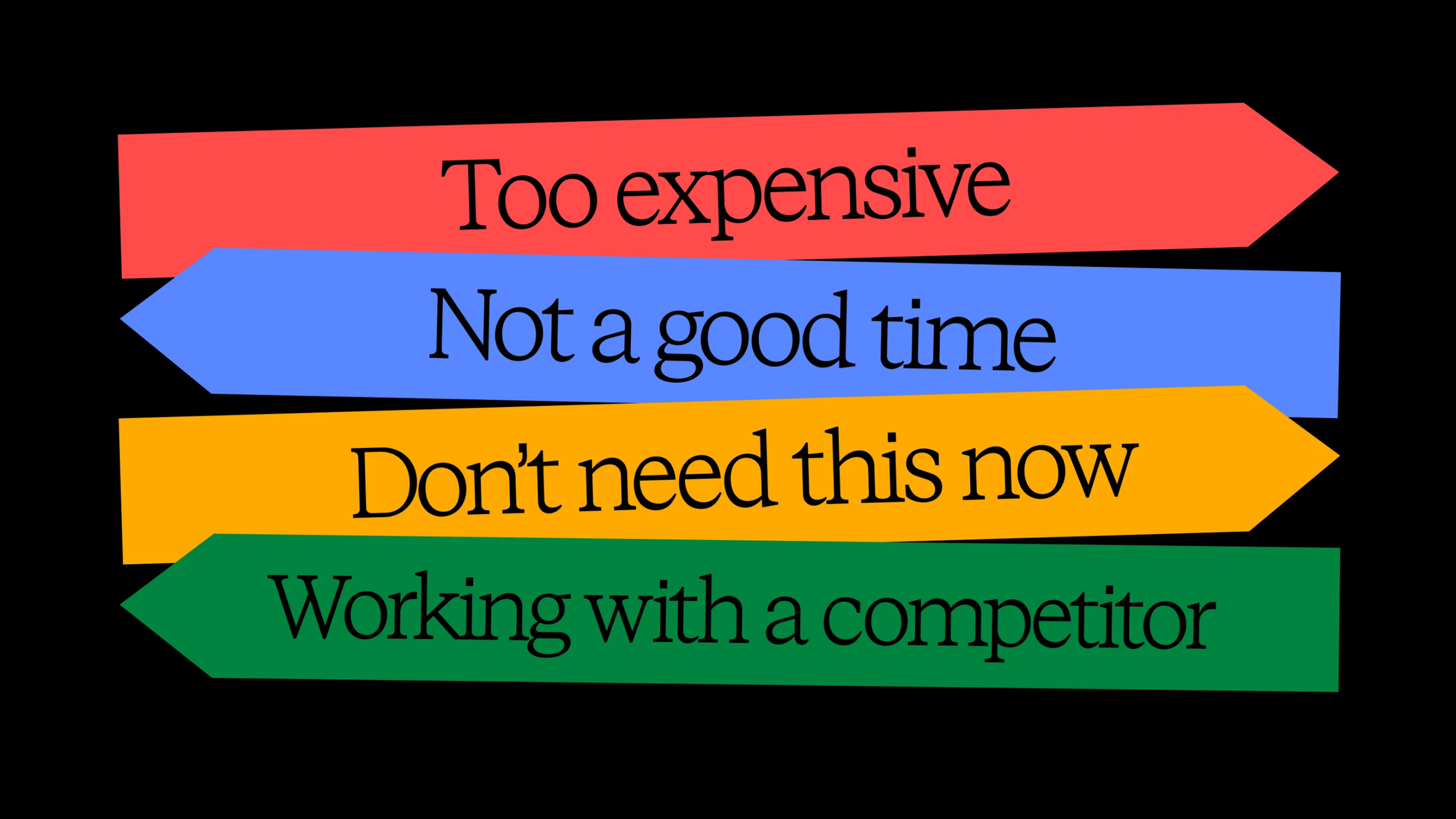
When a buyer says the price is too high, often they are really saying help me see the value. When they say they need more time, they might be saying I am not confident enough yet. And when they say they want to think about it, they might be saying I am not sure you understand what I actually need.
Modern objection handling requires curiosity. Instead of countering the objection, the salesperson needs to explore it. Instead of defending the offer, the salesperson needs to understand the context behind the concern.

This shift alone is helping top performing sales teams close more deals with less pressure and far stronger relationships.

The old playbook

The Old Playbook Doesn’t Work Anymore

For years, sales training taught reps to memorise canned responses. You know the ones. If the customer says X, you reply with Y. If they stall, you push. If they hesitate, you assume the close. These tactics feel tone deaf today because they ignore how buyers make decisions.


Buyers now expect personalised conversations. They want salespeople who listen, ask thoughtful questions and adapt in real time. A one size fits all objection handling script simply doesn’t match how people will buy in 2026.


What does work is helping your team develop the mindset and skills to diagnose objections on the spot. They need to understand whether the concern is emotional, logical or situational. They need to know how to pause, dig deeper and reframe the conversation. And they especially need the confidence to slow down instead of panic.

Objections Are Happening Earlier Than Ever

Thanks to online research, reviews, competitors advertising and social proof, customers walk into conversations with objections already formed. This means your team need to be prepared long before the pitch even starts.


The best sales teams handle objections proactively. They bring up concerns before the buyer does. They normalise them rather than avoid them. They show that hesitation is expected and that talking through those hesitations is part of making a strong decision. This approach builds massive trust because it signals transparency and confidence.


If your team are waiting for objections to appear, they are already behind.

Emotions in sales decision-making

Emotion Now Plays a Bigger Role Than Logic

Another major shift is the emotional weight of objections. Buyers are more risk averse. Budgets are tighter. Decision makers are cautious and accountable to more people. Behind every objection is a personal fear like making a mistake, wasting money or choosing the wrong provider.


If your team only responds with logical facts, they miss the real issue. This is why modern objection handling blends logic and empathy. A simple acknowledgment like I can see why you feel that way takes the tension out of the conversation and lowers the buyers guard. When salespeople learn to meet the emotion before the logic, they advance the deal faster and more naturally.

Your Team Needs Training That Matches Today’s Buyer

Most objection handling problems aren’t because your team are inexperienced. They happen because your team haven’t been shown how objections work in the modern sales environment. They are doing the best they can with strategies that simply don’t match how people buy now.


With the right training, your team can learn how to:
• Decode the real meaning behind objections
• Ask better follow up questions
• Balance empathy with clarity
• Build confidence in uncertain buyers
• Move conversations forward without pressure
When your salespeople get this right, objection handling stops feeling like a battle and starts feeling like a conversation. Deals close faster, relationships strengthen and confidence skyrockets.

Objection handling has evolved. The question is whether your team has evolved with it. If you want them to feel confident, credible and capable in every sales conversation, it might be time to equip them with the skills that match today’s market. To find out more about effective Sales Strategies you can implement for your Sales Team, click here.

For tailored Sales Training that strengthens your team’s objection handling skills, contact KONA Training.
Call 1300 611 288 or Email info@kona.com.au


Author – Garret Norris – https://www.linkedin.com/in/garretnorris/

Garret Norris -KONA Training

How can I Effectively handle Objections?

If you’ve found this KONA Blog article, chances are you have been in a situation where you are selling to a customer who has raised some objections about your product or service.

Seriously. Stop taking it personally

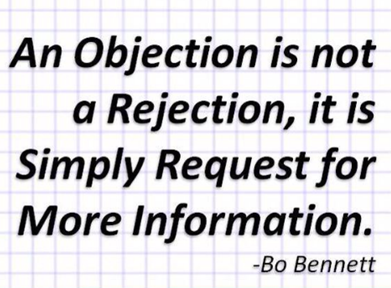
An Objection and a Rejection are Two Distinct Concepts

An objection is a concern or disagreement raised about a particular idea, proposal, statement, or situation. It doesn’t necessarily mean outright dismissal, but rather a point of contention that requires further discussion or clarification.

Objections can be valuable in decision-making processes as they provide an opportunity to address concerns and improve the quality of the outcome.

On the other hand, a rejection typically involves declining or refusing something. It indicates a clear refusal of an idea, proposal, request, or offer without further consideration. Rejections are often final and indicate that the matter is not going forward.

Objections, which often arise during negotiations, can be seen as opportunities rather than roadblocks. Effectively handling objections requires finesse, preparation, and a strategic approach.

We will delve into the art of navigating objections, providing you with actionable insights to turn objections into stepping stones toward a successful outcome.

Objections can be daunting, but remember an objection doesn't necessarily mean a dismissal, but rather a point of contention that requires further discussion or clarification.

Understanding the Nature of Objections

Objections are natural components of negotiations, stemming from differences in priorities, perspectives, and expectations between parties.

Rather than viewing objections as adversarial, it’s essential to recognise them as expressions of concerns, interests, or questions.

This perspective shift is fundamental to crafting a constructive response.

Active Listening: The Foundation of Objection Handling

When the opposing party presents an objection, resist the urge to immediately counter or defend. Instead, listen intently to grasp the underlying concerns.

A staggering 95% of buyers say that salespeople typically talk too much. 74% of buyers say that they are much more likely to buy if the salesperson would simply listen to them.

By acknowledging their viewpoint and validating their concerns, you lay the groundwork for a more collaborative and solution-oriented conversation.

Preparation: The Key to Confident Responses

Effective objection handling begins long before the negotiation table. Thorough preparation involves:

  • Anticipating potential objections
  • Understanding their motivations
  • Crafting well-reasoned responses

By immersing yourself in the other party’s perspective, you can develop compelling counterarguments that address their concerns and pave the way for productive discussions.

Display empathy when handling objections by 'bridging the gap'.

Empathy: Bridging the Gap

Empathy is a powerful tool in objection handling.

Put yourself in the other party’s shoes to understand their:

  • Emotions
  • Motivations
  • Fears

This understanding enables you to tailor your responses in a manner that resonates with their concerns, fostering a more receptive atmosphere for negotiation.

Clarification: Unearthing the Root Cause

In many cases, objections are veiled manifestations of deeper issues. By asking open-ended questions and seeking clarification, you can uncover the underlying reasons behind the objection. This not only demonstrates your genuine interest in their perspective but also helps you address the core concerns more effectively.

By asking open-ended questions and seeking clarification, you can uncover the underlying reasons behind the objection.

Value Proposition: Highlighting Mutual Benefits

When handling objections, pivot the conversation toward the value proposition of your proposal. Emphasize the benefits that align with the other party’s interests and objectives. By showcasing how your proposal addresses their needs, objections can transform into opportunities for mutual gain.

Offering Alternatives: Flexible Problem-Solving

Sometimes, objections arise due to specific elements of your proposal.

Instead of viewing these objections as deadlocks, consider them as invitations to explore alternative solutions.

Present various options that cater to both parties’ needs, demonstrating your commitment to finding a middle ground.

Data and Evidence: Fact-Based Rebuttals

Supporting your responses with relevant data, statistics, or case studies lends credibility to your position.

This approach is particularly effective when dealing with objections based on misconceptions or misinformation.

Concrete evidence can dispel doubts and reinforce the validity of your proposal.

Negotiation Techniques: The Art of Compromise

Objection handling is intricately linked to negotiation techniques. Employ strategies such as “splitting the difference,” where both parties make concessions to meet in the middle. Additionally, consider “conditional agreements,” which involve agreeing to certain terms if specific conditions are met, showcasing your flexibility while safeguarding your interests.

Seek common ground by expressing your commitment to addressing concerns and finding solutions.

Collaborative Problem-Solving: Seeking Common Ground

Position objection handling as a collaborative problem-solving exercise.

Express your commitment to jointly addressing concerns and finding innovative solutions. This approach promotes an environment of cooperation and shared responsibility, enhancing the likelihood of reaching a favourable agreement.

Maintaining Professionalism: A Lasting Impression

Throughout the objection handling process, maintaining a professional and respectful demeanor is paramount.

Regardless of the intensity of the objection, courteous behavior conveys maturity and integrity, laying the foundation for long-term relationships and potential future collaborations.

Objections are not roadblocks; they are stepping stones toward a successful resolution.

Effective objection handling involves a delicate balance of:

  • Active listening
  • Empathy
  • Strategic preparation
  • Skilled negotiation techniques

By understanding the nature of objections and embracing them as opportunities for constructive dialogue, you can transform objections into catalysts for mutually beneficial agreements.

With the right approach, objection handling becomes a nuanced art that empowers you to navigate even the most intricate negotiations with confidence.

When handling objections, don't look at an objection as a rejection.

Contact KONA for more information and objection handling strategies.


Call 1300 611 288 or Email info@kona.com.au